

Intense mediation efforts are underway to secure a 45-day ceasefire between the US and Iran, a deal that could avert a wider conflict and calm volatile energy markets.
Intense mediation efforts are underway to secure a 45-day ceasefire between the US and Iran, a deal that could avert a wider conflict and calm volatile energy markets.
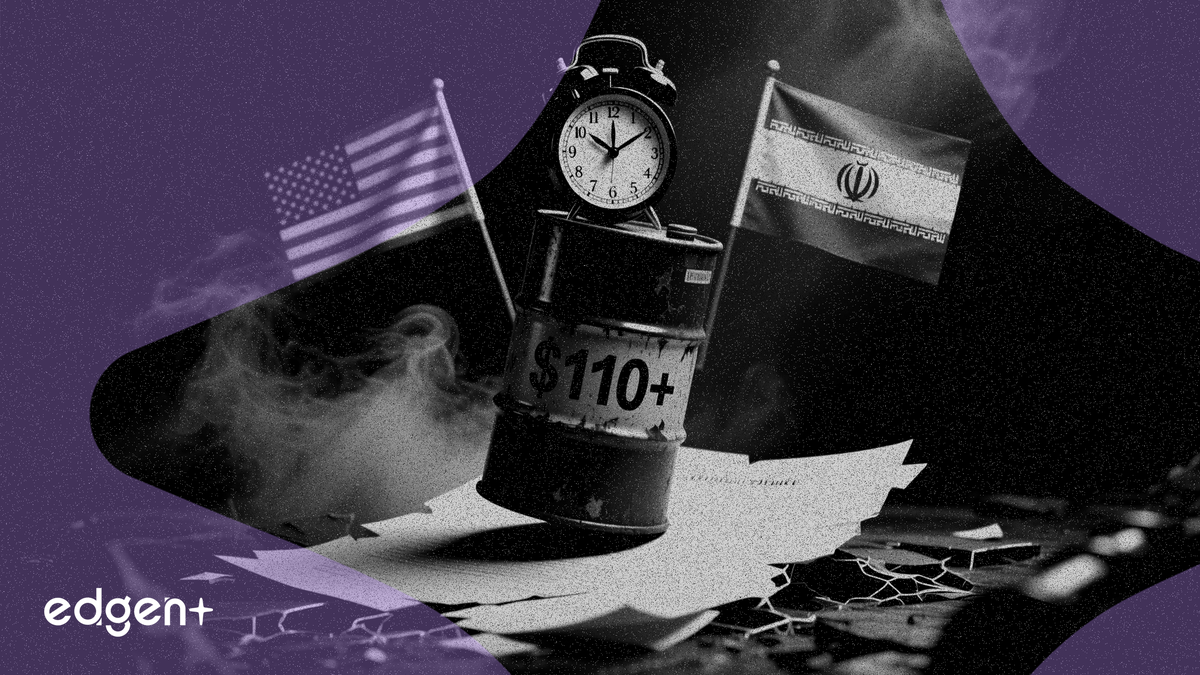
Mediators are racing against a Tuesday deadline to broker a 45-day ceasefire between the United States and Iran, a last-ditch effort to prevent a significant military escalation in the Middle East. The proposed two-phase deal, confirmed by four sources with knowledge of the talks, aims to de-escalate a conflict that has pushed global oil prices above $100 a barrel and threatens major disruptions to global energy supplies.
Pakistani Prime Minister Shehbaz Sharif publicly thanked several nations for their role in the diplomatic push. "To the People's Republic of China, the Kingdom of Saudi Arabia, the Republic of Türkiye, the Arab Republic of Egypt, and the State of Qatar, I extend our deepest and most sincere gratitude for their invaluable and full support of the Islamabad Talks," Sharif said in a social media post on April 8, referencing the ongoing efforts to secure a "comprehensive and final resolution."
The urgency of the talks is reflected in energy markets, where prices remain elevated due to a significant geopolitical risk premium. Front-month WTI crude oil futures recently traded 2.7 percent higher at $115.42 per barrel, while Brent crude was up 1.8 percent at $111.69 per barrel. The tensions have kept the market on edge, with any failure in negotiations likely to trigger further price spikes.
At stake is the stability of the entire region. President Trump has extended a deadline for a deal to Tuesday at 8 p.m. ET, threatening to destroy vital Iranian civilian infrastructure if an agreement isn't reached. Iran has vowed to retaliate against any attack, with Gulf state energy and water facilities as likely targets, a scenario that mediators warn would be "destructive" for the global economy.
The negotiations are being conducted through a combination of direct and indirect channels, according to sources. Pakistani, Egyptian, and Turkish mediators are shuttling between the parties, while text messages are also being exchanged between Trump's envoy Steve Witkoff and Iran's Foreign Minister Abbas Araghchi.
The core of the proposal is a two-phased agreement. The first phase involves a 45-day ceasefire, which could be extended, to allow for negotiations on a permanent end to the war. The second phase would tackle the most contentious issues: the full reopening of the Strait of Hormuz and a verifiable solution for Iran's stockpile of highly enriched uranium. Iranian officials have so far been reluctant to concede on these two main bargaining chips for a temporary truce, seeking guarantees that the U.S. will not resume hostilities, citing previous ceasefires in Gaza and Lebanon that they argue failed to provide long-term security.
The conflict has created a structurally tight supply outlook, keeping oil prices firmly above $100 a barrel. "Markets continue to price in a heightened geopolitical risk premium driven by escalating U.S.-Iran tensions and the looming deadline on reopening the Strait of Hormuz," said Naeem Aslam, chief investment officer at Zaye Capital Markets.
An escalation would inevitably push oil prices higher, increasing expectations of rate hikes by central banks, according to strategists at ING. They noted that a stronger-than-expected U.S. jobs report suggests the American economy is better positioned to handle the fallout than others, which has led markets to price out any near-term rate cuts by the Federal Reserve. The uncertainty has also supported the U.S. dollar, which ING said should remain in demand unless a ceasefire is reached.
This article is for informational purposes only and does not constitute investment advice.