
A stark warning of "rolling spy machines" amplifies fears across the U.S. auto sector as the first wave of Chinese electric vehicles lands in Canada, creating a new economic and national security flashpoint with China.
A stark warning of "rolling spy machines" amplifies fears across the U.S. auto sector as the first wave of Chinese electric vehicles lands in Canada, creating a new economic and national security flashpoint with China.
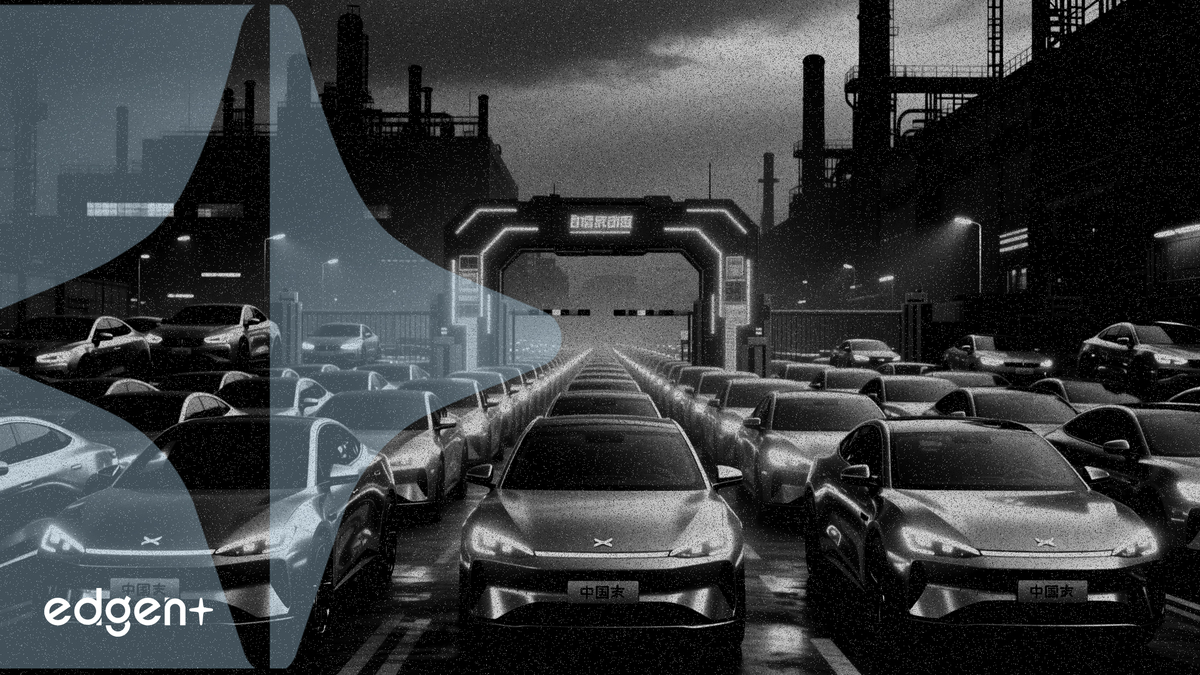
A bipartisan coalition of U.S. lawmakers is joining automakers and unions in a full-throated campaign to prevent Chinese electric vehicles from entering the American market, citing grave national security and economic risks. The pressure campaign, targeting President Donald Trump ahead of his summit with Chinese President Xi Jinping, has gained urgency after Canada began accepting thousands of Chinese EVs under sharply reduced tariffs, creating what one analyst calls a backdoor for subsidized, data-collecting vehicles into North America.
"Every vehicle on American roads is a rolling data collection device, capturing information on location, movement, people, and infrastructure in real time, and we cannot allow Chinese vehicles or components to be a part of that system," Representatives Debbie Dingell (D-MI) and John Moolenaar (R-MI) said in a joint statement. Their proposed Connected Vehicle Security Act aims to codify and strengthen a ban on such vehicles over fears they could become, as commentator Gordon Chang warned on May 11, "rolling spy machines" for Beijing.
The legislative push reflects a rare consensus in Washington, with 74 House Democrats and 52 House Republicans recently signing letters urging President Trump to maintain a hard line. The concern is that Chinese brands, benefiting from decades of state subsidies, could decimate U.S. manufacturing. Chinese brands doubled their European market share to 6 percent last year and now account for about 15 percent of auto sales in Mexico, where a Geely EV sells for approximately $22,700—far below the nearly $39,000 price tag for the cheapest Tesla in the U.S.
This growing affordability crisis, with the average U.S. vehicle price now exceeding $51,000 according to Kelley Blue Book, leaves the domestic market vulnerable. The potential influx of low-cost Chinese vehicles threatens to inflict downward pressure on U.S. auto stocks like Ford, General Motors, and Tesla, which are already struggling with their own costly EV transitions.
The U.S. now finds itself squeezed between two neighbors rolling out the red carpet for Chinese automakers. In January, Canada slashed its import tariff on Chinese EVs from 100 percent to just 6.1 percent, greenlighting an initial annual import cap of 49,000 vehicles. The first shipments from Chinese auto giants Chery and Geely have already arrived for certification and testing, with plans for 10 dealerships to be operational by the end of June.
This northern front, combined with the 34 Chinese auto brands already operating in Mexico, creates an unprecedented competitive threat. "Obviously, there's some level of government support, or else they couldn't transact at that price," said David Christ, a division manager at Toyota Motor North America, commenting on the difficulty of competing with Chinese vehicle pricing in Mexico. The situation is reminiscent of the 1980s, when Japanese automakers first challenged Detroit, but this time the competition is backed by the full force of a state-directed industrial policy.
The American auto industry has presented a united front, urging the Trump administration to avoid offering any concessions to President Xi. Groups representing U.S. and foreign-brand automakers, suppliers, and dealers warned in a March letter that China's ambitions pose a "direct threat to America's global competitiveness, national security and automotive industrial base."
While Commerce Secretary Howard Lutnick and U.S. Trade Representative Jamieson Greer have stated that autos are not on the agenda for the Beijing summit, industry leaders remain wary. They point to President Trump's previous comments welcoming Chinese auto plants in the U.S. as a cause for concern. "He's left wiggle room in dealing with the auto sector," said Scott Paul, president of the Alliance for American Manufacturing. Any deal struck now could have irreversible consequences, as a new plant would take two to three years to become operational, potentially leaving a future administration to deal with the fallout.
This article is for informational purposes only and does not constitute investment advice.
