
Beyaz Saray'ın Ali Al Zaidi'nin Irak başbakanlığına verdiği destek, bankasının İran destekli milislerle bağlantılı olduğu iddiasıyla 2024 yılında dolar işlemlerinden yasaklanması nedeniyle karmaşık bir hal aldı.
Beyaz Saray'ın Ali Al Zaidi'nin Irak başbakanlığına verdiği destek, bankasının İran destekli milislerle bağlantılı olduğu iddiasıyla 2024 yılında dolar işlemlerinden yasaklanması nedeniyle karmaşık bir hal aldı.
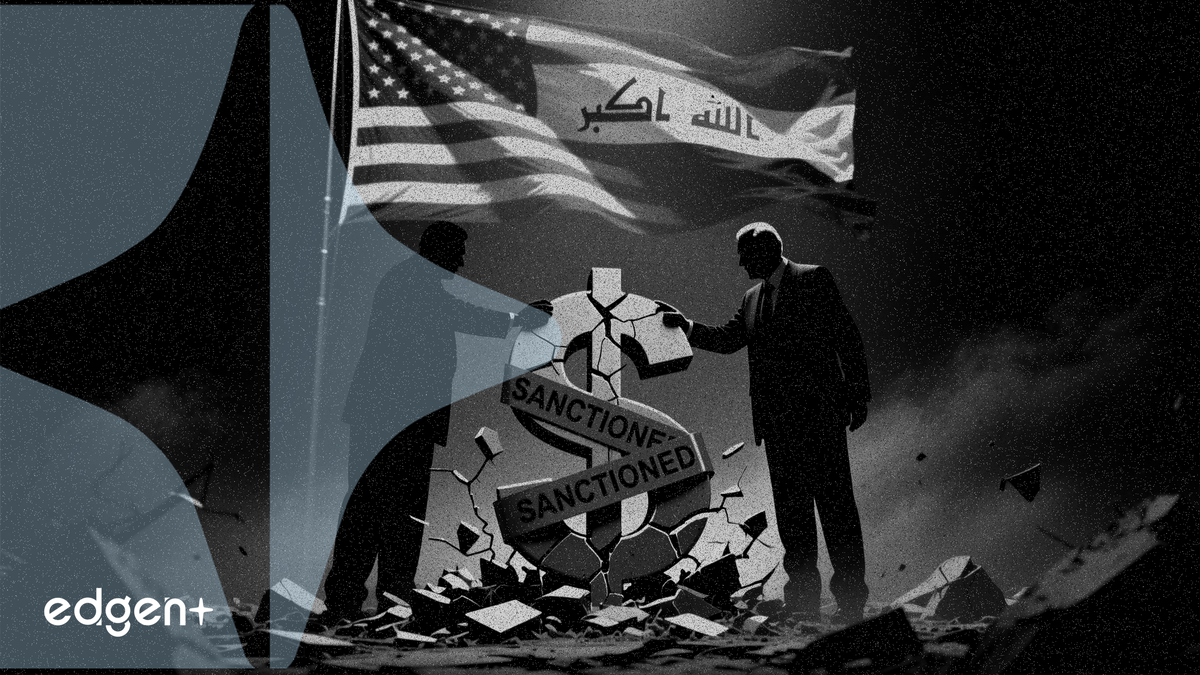
Iraklı bir iş insanı, Başkan Trump'ın desteğiyle bir sonraki başbakan olma yolunda en güçlü aday olarak öne çıktı; ancak bu hamle, ABD Hazinesi'nin daha önce bankasını İran destekli milislerle bağlantılı olduğu şüphesiyle dolar işlemlerinden yasaklamış olması nedeniyle karmaşık bir hal aldı.
Eski bir Dışişleri Bakanlığı yetkilisi olan ve şu anda Atlantic Council'de görev yapan Victoria Taylor, "Gerçek şu ki, milis grupları kendilerini Irak devletine ve ekonomik sistemine oldukça derin bir şekilde yerleştirmiş durumdalar. Başbakan kim olursa olsun, bu grupları tasfiye etmeye başlamak zorlu ve oldukça uzun bir süreç olacaktır," dedi.
Beyaz Saray'ın Ali Al Zaidi'ye verdiği destek, bu milisleri Irak'ın bir sonraki hükümetinden dışlaması talebiyle birlikte geldi. ABD, grupların ABD-İsrail'in İran ile savaşının başlamasından bu yana Amerikan tesislerine 600 saldırı düzenlediğini belirtiyor. Bu durum, bölgesel istikrarsızlık korkularıyla petrol fiyatlarını yükseltirken, Irak dinarı baskı altında kaldı.
Yatırımcılar için bu atama, dünyanın dördüncü büyük petrol üreticisine önemli bir belirsizlik aşılıyor. Milis etkisini dizginleyen başarılı bir hükümet oluşumu, Irak'ı ve enerji ihracatını istikrara kavuşturabilir ve potansiyel olarak küresel petrol fiyatlarını hafifletebilir. Ancak, herhangi bir yanlış adım şiddetli bir tepkiyi tetikleyebilir, petrol üretimini tehdit edebilir ve sermayenin bölgesel varlıklardan kaçmasına neden olacak bir riskten kaçış senaryosu yaratabilir.
Siyasi olarak pek tanınmayan Ali Al Zaidi, İran ile yakın bağlarıyla bilinen eski başbakan Nuri el-Maliki'nin Ocak ayında önerilmesinin ardından bir uzlaşı seçeneği olarak ortaya çıktı. Adaylığı açıklanmadan önce hem ABD hem de İran ile istişarelerde bulunuldu ve Al Zaidi hem Başkan Trump hem de İran Cumhurbaşkanı Mesud Pezeşkiyan ile telefon görüşmeleri yaptı.
Denge oyunu hemen kendini gösterdi. İran Devrim Muhafızları'nın üst düzey komutanlarından General İsmail Kaani, Pazar günü Bağdat'ı ziyaret ederek Iraklı yetkilileri milis gruplarını silahsızlandırmamaya çağırdı. Bu durum, Al Zaidi'yi kilit bir ABD talebi ile güçlü bir komşunun baskısı arasında zor bir durumda bırakıyor. ABD, son çatışma sırasında Irak'ın petrol satış gelirlerinin dolar cinsinden transferini askıya aldı; bu, konumunu dayatmak için kullanabileceği güçlü bir koz.
Tartışmanın merkezinde Al Zaidi'nin kurduğu Al Janoob İslam Bankası yer alıyor. 2024 yılında ABD Hazinesi, bankayı İran Devrim Muhafızları ve Hizbullah ile bağlantılı olduğu iddiasıyla 2018 yılında ABD tarafından yaptırım uygulanan bir milis lideri olan Shibl Al Zaidi ile bağlantıları olduğuna dair istihbarata dayanarak dolar sisteminden men etti. Ali Al Zaidi ve Shibl Al Zaidi aynı aşirettendir ancak akrabalık bağları yoktur.
Banka ayrıca ABD tarafından terör örgütü olarak tanımlanan Ketaib Hizbullah ile bağları olduğundan da şüpheleniliyordu. Al Janoob Başkanı Mazen Ahmed, iddiaların "asılsız olduğunu, söylenti ve spekülasyonlara dayandığını" belirtti. Ali Al Zaidi'nin bankanın %9,90'ına sahip olduğunu ancak 2019'dan bu yana operasyonlarında doğrudan bir rolü olmadığını kaydetti.
Halen yürürlükte olan yasak, ABD'nin milislerin ABD doları elde etmek için Irak bankacılık sistemini kullanmasını engellemeye yönelik daha geniş kapsamlı çabalarının bir parçasıydı. Bu eylem, Irak'ın uluslararası emtia alımları için bankaya güvenen gıda sepeti programını kesintiye uğrattı ve Amerikan pirinci almaya devam etmek için euro kullanarak bir çözüm üretmeye zorladı.
Bu makale sadece bilgilendirme amaçlıdır ve yatırım tavsiyesi teşkil etmez.
