
The US is banning exports of tungsten scrap and recycled battery materials for one year, tightening Washington's grip on critical minerals as China dominates supply.
The US is banning exports of tungsten scrap and recycled battery materials for one year, tightening Washington's grip on critical minerals as China dominates supply.
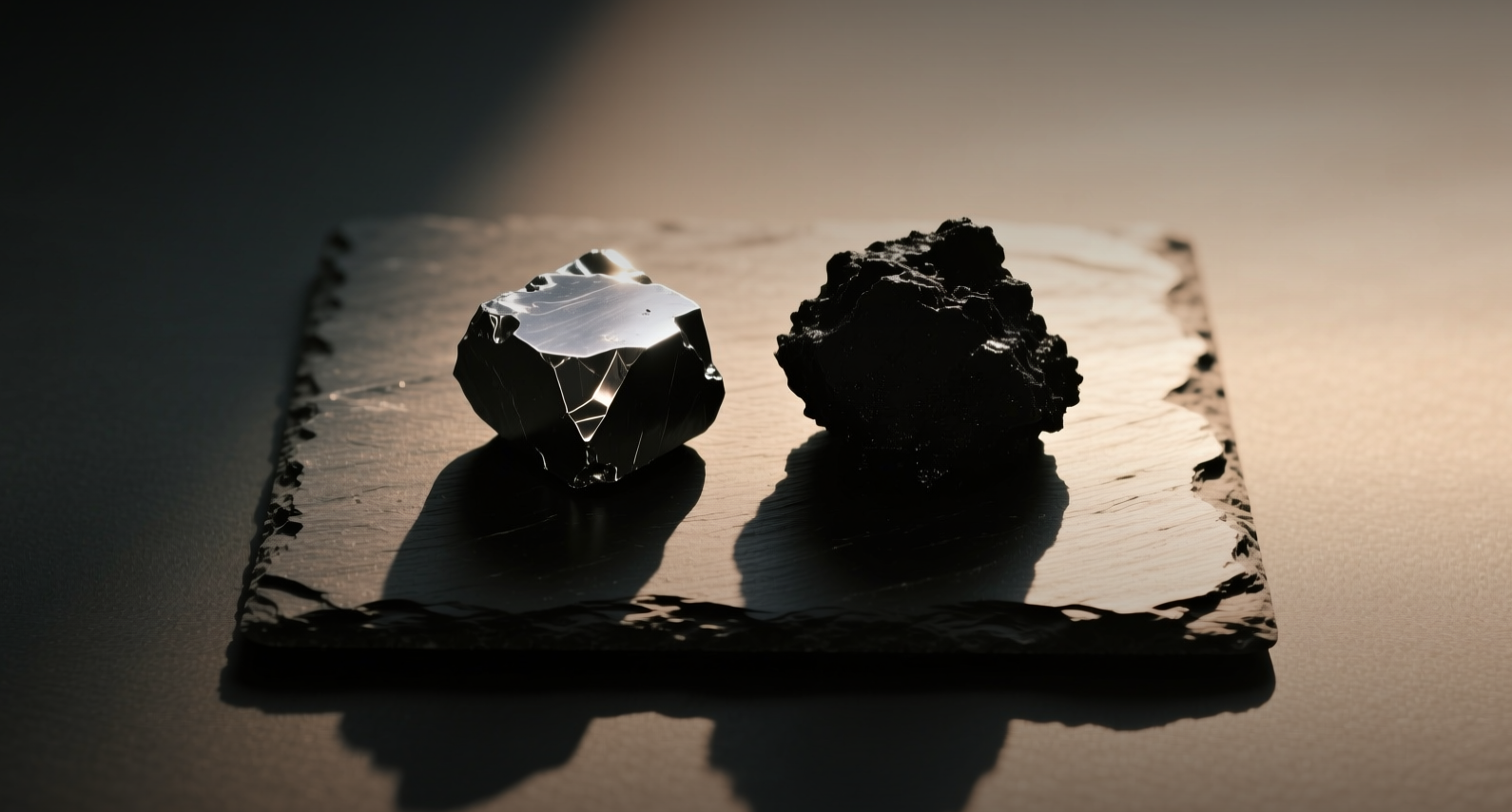
The US will ban exports of tungsten scrap and black mass from recycled lithium-ion batteries for one year starting later this month, as Washington races to secure critical minerals for defense supply chains.
"The inadequate supply of certain metals poses an increasing risk to our national defense and security," President Donald Trump said last week when ordering the Commerce Department to draw up the restrictions.
The rule, published on the Federal Register by the Bureau of Industry and Security, requires US sellers of tungsten waste and black mass to sell only to domestic buyers unless they obtain an exemption. The US has no active tungsten mines, and its scrap-processing capacity is insufficient to convert all domestic scrap back into finished products, according to industry experts. US exports of tungsten scrap to recycling hubs in the Philippines, Taiwan, Vietnam and South Korea have increased this year, Project Blue data show.
The ban targets two materials where China's grip on supply is most acute. China dominates production of tungsten, used in munitions and armor-piercing rounds, and has restricted exports as part of its trade war with Washington. Black mass — which contains lithium, cobalt, nickel, manganese and graphite — is largely processed in Asia because the US lacks domestic recycling capacity. The one-year restriction gives US companies time to build processing capability, but the gap between domestic supply and demand remains wide.
China produces the majority of the world's tungsten and controls a significant share of battery metal refining. It has weaponized that position by restricting access to materials in a tit-for-tat trade war with the US, exposing the risks of single-supplier dependence for Western economies. Tungsten prices have skyrocketed this year as global rearmament efforts, the wars in Iran and Ukraine, and Chinese export restrictions tightened supply.
Some US companies had pushed the White House to ban tungsten scrap exports over fears that Chinese buyers in America were paying above-market prices to secure supplies that were then shipped back to China. The new rule closes that channel, forcing domestic sales unless an exemption is granted. The restriction follows a broader pattern of US export controls on strategic materials, with Washington increasingly using trade policy to protect defense-critical supply chains.
Black mass, the shredded remains of spent lithium-ion batteries, contains critical battery metals including lithium, cobalt, nickel, manganese and graphite. The US has limited domestic processing capabilities for the substance, with much of it currently recycled into usable material in Asia. The export ban creates a short-term challenge for US recyclers who previously shipped black mass to Asian processors, but it also creates an incentive to build domestic capacity.
The restriction is part of a broader US strategy to reduce dependence on Chinese supply chains for defense-critical materials. Other nations led by the US are racing to develop new supplies and expand domestic recycling. The one-year ban gives US companies a window to develop processing capability, but building new recycling and refining facilities takes years. If domestic capacity does not come online quickly, the ban could create a bottleneck where US recyclers accumulate black mass and tungsten scrap faster than domestic processors can handle it.
The Commerce Department will review the rule's effectiveness during the year, and the ban could be extended or expanded to other critical minerals. The dollar value of affected trade has not yet been disclosed.
This article is for informational purposes only and does not constitute investment advice.
