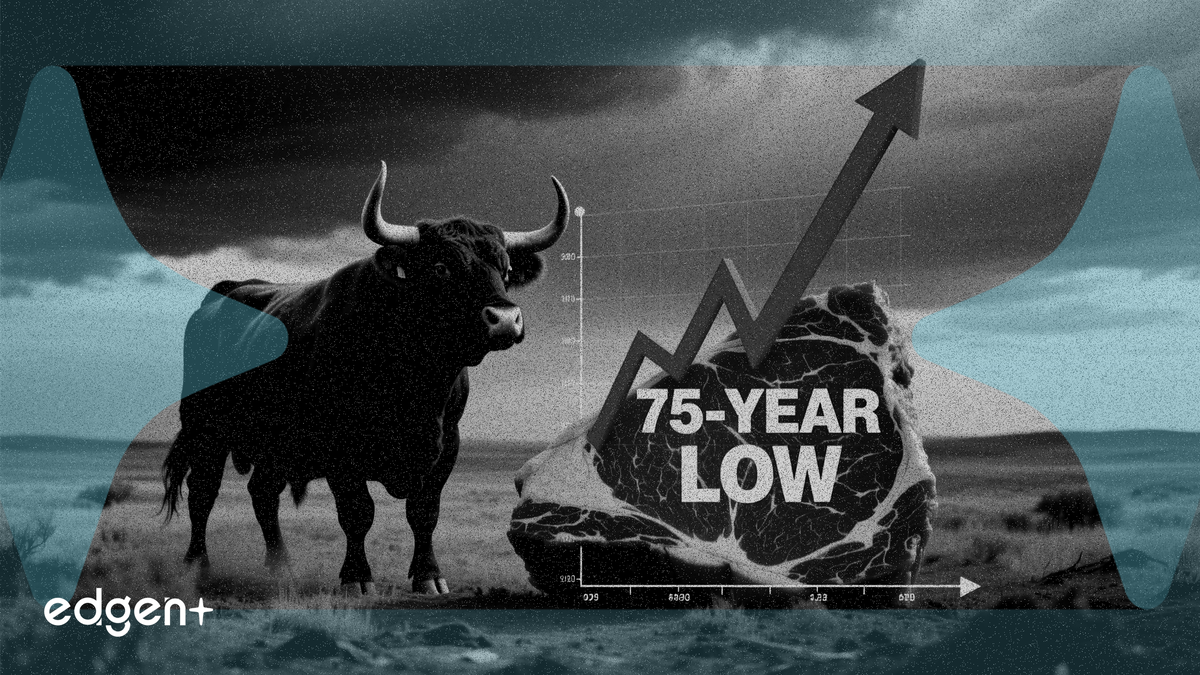
Giá thịt bò tại Mỹ đã tăng 16% trong năm qua, một hệ quả trực tiếp từ việc đàn gia súc của quốc gia này thu hẹp xuống mức thấp nhất kể từ năm 1951.
Seth Meyer, Giám đốc Viện Nghiên cứu Chính sách Lương thực và Nông nghiệp (FAPRI) và cựu chuyên gia kinh tế trưởng của Bộ Nông nghiệp Hoa Kỳ cho biết: "Ngành chăn nuôi đã đạt được lợi nhuận mạnh mẽ và thị trường tiếp tục gửi đi tín hiệu rõ ràng rằng tình trạng này có thể sẽ tiếp tục."
Sự sụt giảm này bắt nguồn từ các đợt hạn hán kéo dài nhiều năm trên khắp Texas, Oklahoma và vùng Great Plains, làm hư hại các đồng cỏ và buộc các chủ trang trại phải bán đi những con bò mà họ không còn đủ khả năng nuôi dưỡng. Theo Liên đoàn Cục Nông trại Hoa Kỳ, đàn bò thịt của quốc gia hiện ở mức dưới 28 triệu con, với nguồn cung dự kiến sẽ tiếp tục thắt chặt đến năm 2026 trước khi có thể bắt đầu phục hồi đáng kể.
Giá cao kéo dài và nguồn cung thắt chặt đã thúc đẩy các cuộc thảo luận về hành động tiềm năng của chính phủ, mặc dù cựu Tổng thống Donald Trump được cho là đã trì hoãn việc ký các lệnh hành pháp nhằm giải quyết vấn đề này. Đối với người tiêu dùng và các nhà hàng, tình hình này cho thấy áp lực lạm phát tiếp tục diễn ra, trong khi các nhà sản xuất phải đối mặt với một chặng đường dài để tái đàn quốc gia.
Việc tái đàn đối mặt với những khó khăn
Hạn chế chính đối với nguồn cung thịt bò Mỹ là quy mô đàn bò nhỏ kỷ lục. Tái đàn là một quá trình kéo dài nhiều năm đòi hỏi các chủ trang trại phải giữ lại bò cái hậu bị (bò cái trẻ) để phối giống thay vì bán chúng đi để chế biến. Tuy nhiên, Meyer lưu ý rằng "tỷ lệ giữ lại bò cái hậu bị chưa có sự gia tăng đáng kể nào", viện dẫn điều kiện khô hạn ở các bang trọng điểm là trở ngại lớn. Điều này cho thấy tình trạng khan hiếm nguồn cung khó có thể sớm giảm bớt, đồng nghĩa với việc giá cả sẽ vẫn ở mức cao.
Câu chuyện về hai nền kinh tế nông nghiệp
Lợi nhuận kỷ lục trong lĩnh vực chăn nuôi trái ngược hoàn toàn với mảng trồng trọt của nền kinh tế nông nghiệp. Meyer ví môi trường hiện tại đối với các nhà sản xuất trồng trọt với giai đoạn 2014-2019, vốn đặc trưng bởi giá cả thấp và biên lợi nhuận mỏng. Meyer nói: "Nếu loại bỏ gia súc và các khoản thanh toán tạm thời của chính phủ... thu nhập nông trại tổng thể sẽ trông tồi tệ hơn nhiều". Sự phân hóa này làm nổi bật những áp lực về phía cung độc đáo đang ảnh hưởng đến thị trường gia súc, giúp nó tách biệt khỏi những thách thức rộng lớn hơn mà các nhà sản xuất ngũ cốc đang phải đối mặt trước sự cạnh tranh gay gắt từ Nam Mỹ và các nguồn cung cầu toàn cầu khác.
Bài viết này chỉ mang tính chất cung cấp thông tin và không cấu thành lời khuyên đầu tư.