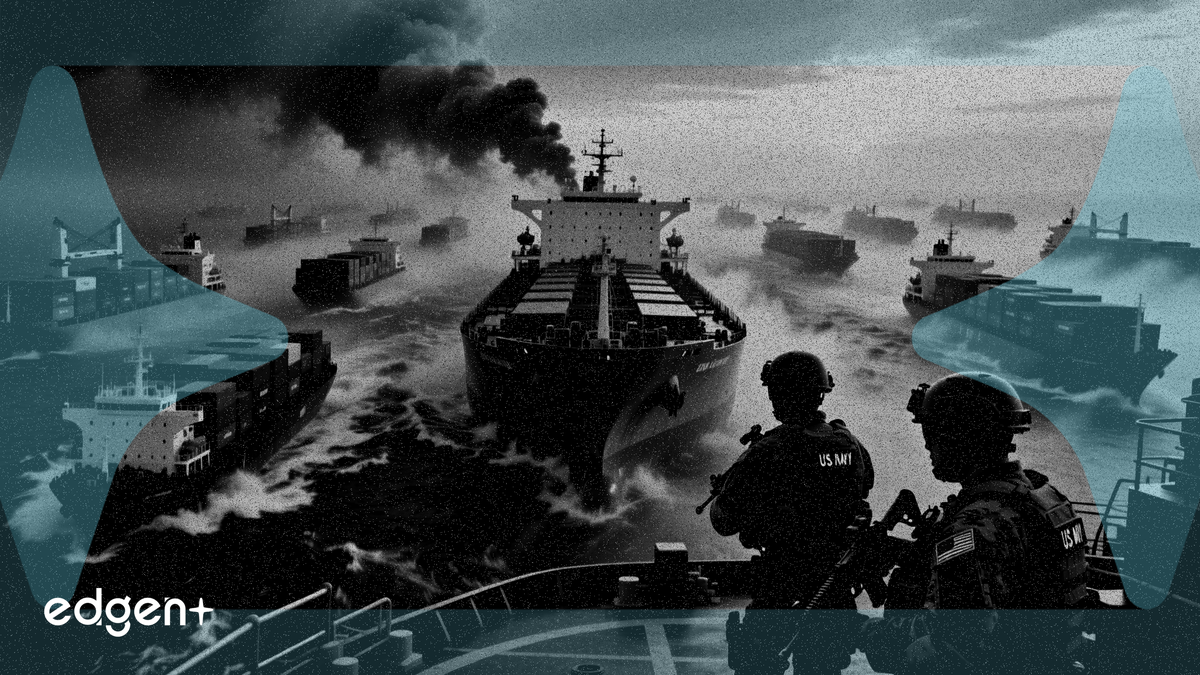
Hoa Kỳ đã leo thang cuộc chiến kinh tế với Iran vào thứ Tư, lên một tàu chở dầu treo cờ Iran ở Vịnh Oman khi lệnh phong tỏa hải quân của chính quyền Trump gây ra sự gián đoạn ngày càng rộng lớn đối với thương mại toàn cầu. Việc lên tàu M/T Celestial Sea là hành động thực thi mới nhất trong lệnh phong tỏa đã khiến 94 tàu thương mại phải đổi hướng, theo Bộ Chỉ huy Trung tâm Hoa Kỳ (CENTCOM), làm trầm trọng thêm sự bế tắc tại Eo biển Hormuz và thúc đẩy sự biến động trên thị trường năng lượng.
Bộ Chỉ huy Trung tâm Hoa Kỳ cho biết trong một tuyên bố rằng các binh sĩ Thủy quân lục chiến từ Đơn vị Viễn chinh Thủy quân lục chiến số 31 đã khám xét con tàu và chỉ đạo nó đổi hướng. "Các lực lượng Hoa Kỳ tiếp tục thực thi đầy đủ lệnh phong tỏa," CENTCOM cho biết, lưu ý rằng đây là ít nhất con tàu thương mại thứ năm bị lên tàu kể từ khi lệnh phong tỏa bắt đầu vào giữa tháng Tư. Mục tiêu đề ra là gây áp lực buộc Tehran phải mở lại eo biển và đàm phán chấm dứt xung đột bắt đầu bằng các cuộc không kích của Mỹ và Israel vào ngày 28 tháng 2.
Hành động quân sự nhấn mạnh những hậu quả kinh tế ngày càng tăng của cuộc chiến kéo dài gần ba tháng. Việc Iran đóng cửa Eo biển Hormuz một cách hiệu quả, nơi vận chuyển khoảng một phần năm lượng dầu của thế giới, đã vấp phải lệnh phong tỏa của Mỹ đối với các cảng của Iran. Kết quả là 1.550 con tàu từ 87 quốc gia hiện đang bị mắc kẹt ở Vịnh Ba Tư, theo các ước tính quân sự gần đây của Hoa Kỳ. Sự gián đoạn này đã khiến giá xăng tăng vọt và đang tạo ra những trở ngại chính trị cho Tổng thống Trump trước cuộc bầu cử giữa kỳ.
Thái độ cứng rắn của chính quyền hiện đang phải đối mặt với một cuộc chiến trên hai mặt trận, với áp lực gia tăng cả ở nước ngoài và trong nước. Trong khi lệnh phong tỏa nhằm làm tê liệt nền kinh tế Iran, giá nhiên liệu tăng và thị trường năng lượng biến động đang ảnh hưởng đến người tiêu dùng Mỹ, tạo ra một bài toán chính trị khó khăn cho Nhà Trắng. Bước đi tiếp theo trong trò chơi mạo hiểm này có thể được quyết định bởi giá xăng ở Ohio cũng nhiều như bởi các chuyển động hải quân ở Oman.
Trở ngại chính trị tại Washington
Việc lên tàu chở dầu xảy ra chỉ một ngày sau khi Thượng viện bỏ phiếu với tỷ lệ 50-47 để thúc đẩy luật buộc Tổng thống Trump phải rút khỏi cuộc chiến Iran, với một số đảng viên Cộng hòa bất tuân tổng thống. Cuộc bỏ phiếu làm nổi bật sự lo ngại ngày càng tăng trong Quốc hội về bản chất không hồi kết của cuộc xung đột và những tác động kinh tế ngược của nó.
Vụ việc cũng diễn ra sau sự thừa nhận của chính Trump rằng ông đã hủy bỏ một "cuộc tấn công rất lớn" dự kiến vào thứ Ba theo yêu cầu của các đồng minh vùng Vịnh, những người được cho là tin rằng họ đang gần đạt được một bước đột phá ngoại giao. Mô hình thiết lập và sau đó rút lại các thời hạn này đã trở thành dấu ấn trong chiến lược Iran của chính quyền, làm tăng thêm sự bất ổn của thị trường.
Một chiến dịch hải quân mở rộng
Các hành động thực thi của Hải quân Hoa Kỳ ngày càng trở nên quyết liệt. Ngoài việc lên tàu, các lực lượng Hoa Kỳ đã nổ súng và làm tê liệt ít nhất bốn con tàu khác có liên quan đến Iran trong những tuần gần đây. Vào ngày 8 tháng 5, một chiếc F/A-18 Super Hornet đã phóng "đạn dược chính xác" vào hai tàu chở dầu không tải, và vài ngày trước đó, một tàu chở dầu khác, M/T Hasna, đã bị bắn khi cố gắng trốn tránh lệnh phong tỏa.
Chiến dịch không chỉ giới hạn ở Vịnh Ba Tư. Tháng trước, các lực lượng Hoa Kỳ đã lên các tàu chở dầu bị nghi ngờ buôn lậu dầu thô của Iran ở Ấn Độ Dương, báo hiệu một nỗ lực thực thi toàn cầu. Chiến lược rất rõ ràng: cắt đứt hoàn toàn quyền tiếp cận của Iran vào thị trường dầu mỏ toàn cầu cho đến khi nước này từ bỏ quyền kiểm soát Eo biển Hormuz. Tuy nhiên, với việc Iran cảnh báo rằng bất kỳ cuộc tấn công mới nào cũng sẽ mở rộng xung đột ra ngoài Trung Đông, nguy cơ xảy ra một cuộc hỏa hoạn rộng lớn hơn vẫn rất gay gắt.
Bài viết này chỉ dành cho mục đích thông tin và không cấu thành lời khuyên đầu tư.