
The United States is escalating its dual-strategy of economic and military pressure on Iran, coupling fresh sanctions with a major plan to restock its arsenal as a ceasefire deadline nears.
The United States is escalating its dual-strategy of economic and military pressure on Iran, coupling fresh sanctions with a major plan to restock its arsenal as a ceasefire deadline nears.
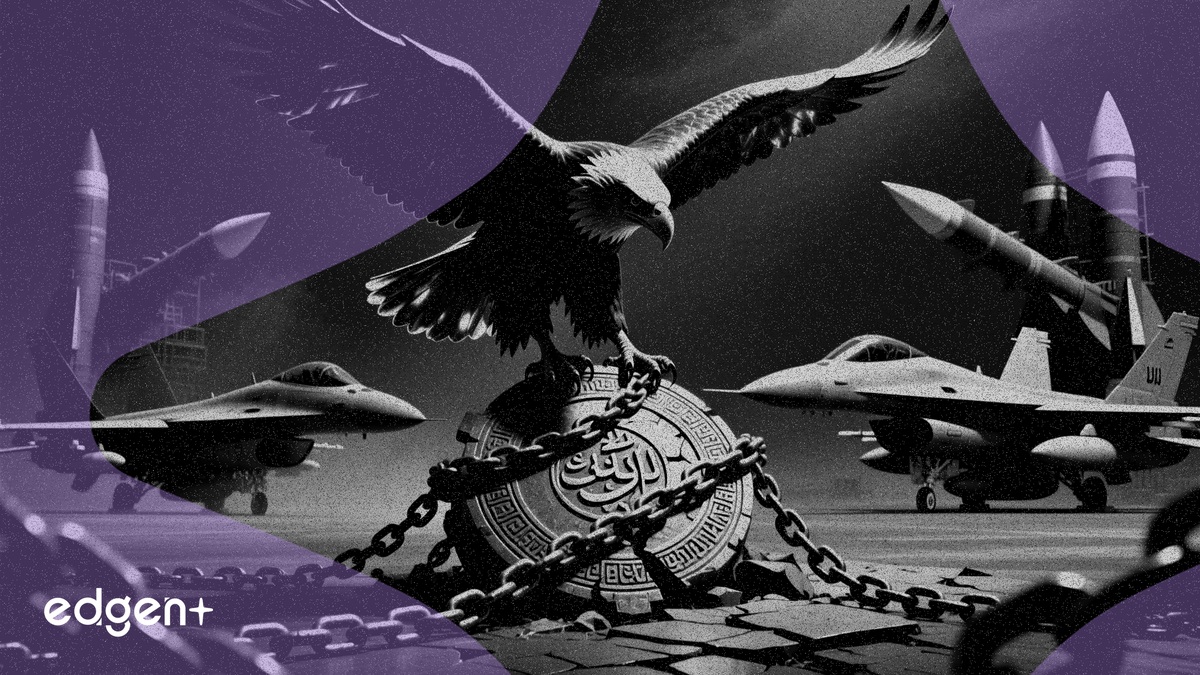
The U.S. intensified its campaign against Iran on Tuesday, unveiling new sanctions targeting its commercial and logistics networks while the Pentagon detailed plans to spend over $30 billion on missile interceptors and other key munitions to replenish stockpiles depleted during the recent conflict.
"We are willing to put on secondary sanctions," Treasury Secretary Scott Bessent said at a White House briefing, confirming the U.S. had sent letters to at least two Chinese banks warning them against processing Iranian transactions, calling the measures the "financial equivalent" of a bombing campaign.
The new sanctions from the Treasury's Office of Foreign Assets Control name multiple Iranian individuals, companies, and aircraft. The move follows the U.S. seizure of the Iranian-flagged container ship Touska and the boarding of another sanctioned tanker, the Tiffany, in the Indian Ocean as part of a global maritime interdiction effort to halt Iranian oil exports.
With a fragile two-week ceasefire set to expire on April 22, the Pentagon's budget request underscores preparations for a potential renewal of conflict. The proposed spending aims to address critical shortages in Patriot and THAAD interceptors, with markets watching nervously as negotiations in Pakistan hang in the balance and Iran continues to control passage through the Strait of Hormuz.
The Pentagon's proposed $30 billion munitions package is a direct response to the high expenditure of advanced weaponry in the conflict. Military officials confirmed the funds are designated for systems that saw heavy use, including interceptors for the Patriot and Terminal High Altitude Area Defense (THAAD) systems, which were used against Iranian ballistic missiles and drones.
The request also includes funds for the Army's long-range Precision Strike Missiles and Mid-Range Capability missile systems. In a dramatic increase, the Navy is seeking to purchase 785 Tomahawk cruise missiles in the next budget year, up from just 55 last year, reflecting concerns that the military was using the missiles much faster than they could be replaced. This level of spending on munitions is the largest since the height of the Iraq War, signaling a strategic shift to prepare for sustained high-intensity conflict.
Washington's economic warfare is expanding beyond direct sanctions on Tehran. Treasury Secretary Bessent's warning to Chinese banks marks a significant escalation, threatening to cut off foreign financial institutions from the U.S. dollar system if they facilitate Iranian trade. This follows Iran's attempts to create a "protection racket" in the Strait of Hormuz, demanding "security fees" of up to $2 million from vessels for passage, according to a senior Iranian official cited by CNN.
The U.S. is actively working to dismantle this system. On April 19, U.S. forces seized the Iranian-flagged Touska in the Gulf of Oman, and on April 20 boarded the "stateless and sanctioned" tanker Tiffany in the Indian Ocean. An American military official stated the U.S. will conduct maritime enforcement "on a global scale" to intercept ships providing material support to Iran, a move that could heighten tensions with major buyers of Iranian oil like China.
The diplomatic track remains uncertain. While U.S. officials are expected in Islamabad for talks, Iranian sources have been non-committal. President Trump issued a 48-hour ultimatum over the weekend for Iran to fully open the Strait of Hormuz, threatening to "hit and obliterate" Iranian energy infrastructure if it failed to comply.
This article is for informational purposes only and does not constitute investment advice.