
The fragile truce in the Middle East faces renewed uncertainty as the US pumps the brakes on a formal ceasefire extension with Iran, a move that could send ripples through global energy markets.
The fragile truce in the Middle East faces renewed uncertainty as the US pumps the brakes on a formal ceasefire extension with Iran, a move that could send ripples through global energy markets.
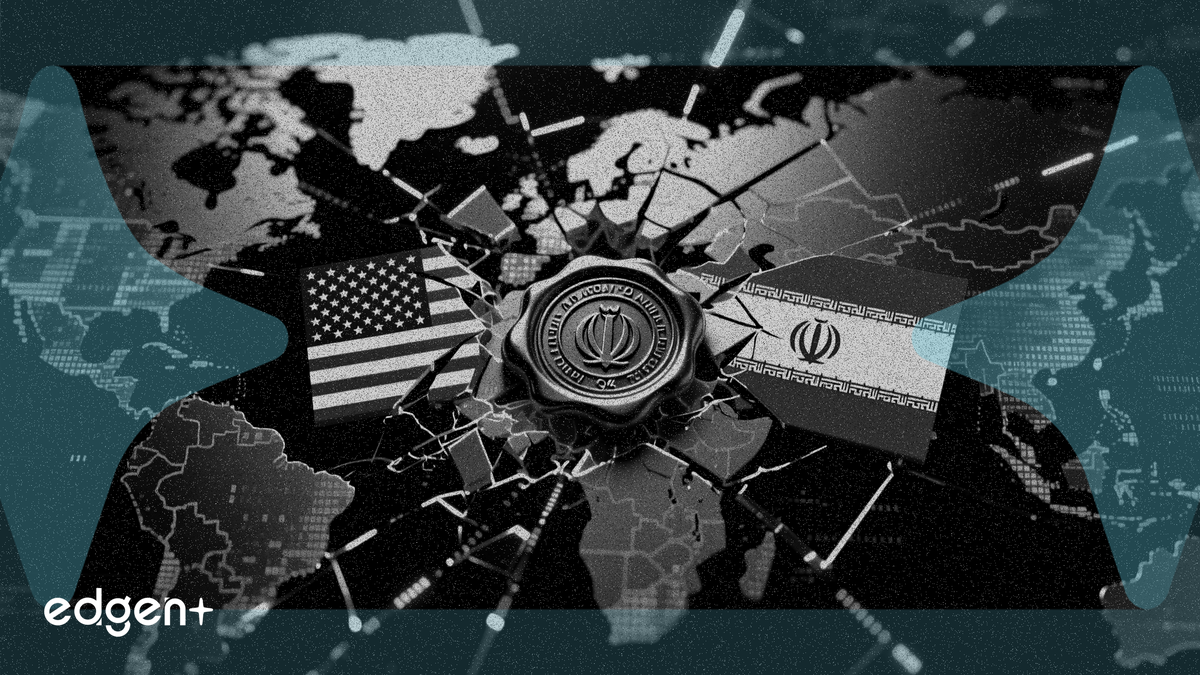
A fragile truce in the Middle East faces renewed uncertainty as the US pumps the brakes on a formal ceasefire extension with Iran, a move that could send ripples through global energy markets.
A senior US official stated on April 15 that the United States has not formally agreed to extend a ceasefire agreement with Iran, countering earlier reports of an agreement in principle and injecting fresh uncertainty into Middle East stability. The development immediately heightened geopolitical tensions, which could have significant implications for crude oil prices and global financial markets.
"While discussions are ongoing, no formal agreement has been reached," a senior administration official said in a background briefing. "Our focus remains on de-escalating tensions and ensuring regional security."
The news tempered risk appetite, with Brent crude futures ticking up 0.8% to $90.80 a barrel on the geopolitical risk premium. The US Dollar Index (DXY) also saw a slight bid, rising 0.2% to 106.10 as investors sought safe-haven assets.
The lack of a formal extension raises the stakes for global markets, as any escalation could threaten the Strait of Hormuz, a critical chokepoint for about 21% of global oil trade. A disruption could lead to a significant spike in crude prices, complicating the global fight against inflation and potentially forcing central banks to maintain a hawkish stance.
The stalled talks introduce a bearish market sentiment, as the potential for renewed conflict could disrupt energy supplies and fuel inflationary pressures. This uncertainty creates headwinds for the broader stock market, with investors likely to rotate out of riskier assets and into traditional safe havens. Gold, often seen as a hedge against geopolitical instability, could see increased demand. The last major disruption in the Strait of Hormuz in 2019 saw oil prices jump by over 14% in a single day.
Increased market volatility is a near-term certainty if a new agreement is not reached. The situation puts further pressure on an already fragile global economy, which is grappling with persistent inflation and the lagged effects of aggressive monetary tightening from central banks worldwide. All eyes will be on the next round of diplomatic engagements to see if a formal extension can be secured.
This article is for informational purposes only and does not constitute investment advice.

