
A direct military confrontation between the US and Iran in the world’s most critical oil chokepoint sent shockwaves through global markets, triggering sharp volatility in energy and digital assets.
A direct military confrontation between the US and Iran in the world’s most critical oil chokepoint sent shockwaves through global markets, triggering sharp volatility in energy and digital assets.
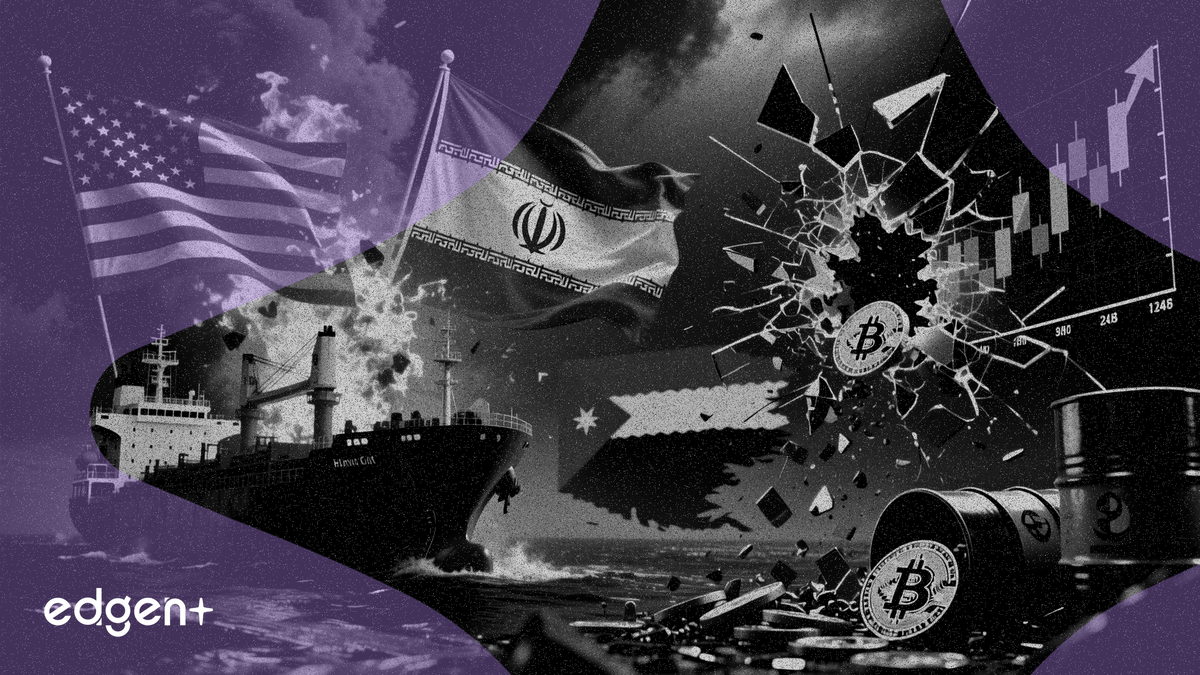
A military clash between the United States and Iran in the Strait of Hormuz has heightened fears of a wider conflict, after US forces fired on an Iranian oil tanker and Iran’s Islamic Revolutionary Guard Corps (IRGC) claimed to have damaged three US destroyers in a retaliatory strike. The incident immediately impacted global markets, with oil prices and cryptocurrencies experiencing sharp volatility as traders assessed the risk of a major disruption to the 20% of global oil supply that passes through the strait.
"Any confirmed disruption to shipping activity in the Strait of Hormuz could reignite volatility across oil, equities, and crypto markets," said a US Central Command official in a statement. "We remain positioned and ready to protect American forces and ensure freedom of navigation."
The IRGC’s navy reported via the Tasnim News Agency on May 8 that it had struck three US destroyers with anti-ship ballistic missiles, cruise missiles, and drones, causing damage and forcing them to withdraw. US Central Command confirmed its forces had intercepted "unprovoked Iranian attacks" and responded with self-defense strikes on Iranian military facilities. However, US officials denied that any American warships were struck and stated their forces had disabled an Iranian tanker after it ignored warnings and attempted to breach a naval blockade.
The confrontation underscores the immense strategic importance of the Strait of Hormuz, a narrow waterway that handles about 20% of global oil and liquefied natural gas shipments. The incident comes as Iran attempts to formalize its control over the channel, having recently established a government agency to vet and tax vessels passing through, a move that shipping data firm Lloyd’s List Intelligence reported has raised concerns about eroding the freedom of navigation on which global trade depends.
The geopolitical shock quickly spilled into financial markets. Oil prices initially tumbled on the reports, a surprising move that some analysts attributed to traders reassessing whether the confrontation would materially disrupt shipping flows or remain a contained military standoff. Bitcoin and other major cryptocurrencies also dropped as investors moved to reduce exposure to risk assets amid fears of a broader military escalation.
The market's reaction reflects the deep uncertainty surrounding the two-month conflict. While President Trump has declared victory on multiple occasions, the conflict continues. Analyst Xueqin Jiang, who has been called "China's Nostradamus" for his geopolitical forecasts, recently predicted a US defeat in the conflict, arguing that American society lacks the manufacturing capacity and risk tolerance for a prolonged war in Iran.
Both Washington and Tehran are engaged in a war of information alongside their military actions. Iranian state media claimed the US initiated the attack on an oil tanker, prompting a retaliatory missile launch. Conversely, US officials maintain their actions were defensive, responding to Iranian aggression and attempts to breach a blockade tied to the ongoing conflict. This follows a pattern of mixed messaging from the Trump administration, which has oscillated between threats of renewed bombing and calls for a peace deal to reopen the vital shipping corridor.
The situation remains fluid, with traders and world leaders closely monitoring statements from both sides. The United Nations has become another venue for the conflict, with the US and its allies pushing for a Security Council resolution to condemn Tehran’s actions, while Iran’s ambassador has warned that adopting the resolution would “politicize the council’s enforcement powers.” The outcome of this diplomatic and military maneuvering will have significant consequences for the global economy, potentially impacting everything from energy prices to inflation and broader investor sentiment.
This article is for informational purposes only and does not constitute investment advice.

