
Direct military engagement in the world’s most critical oil chokepoint has escalated sharply, with the U.S. preparing to restart naval escorts for commercial vessels after Saudi Arabia and Kuwait granted airspace access.
Direct military engagement in the world’s most critical oil chokepoint has escalated sharply, with the U.S. preparing to restart naval escorts for commercial vessels after Saudi Arabia and Kuwait granted airspace access.
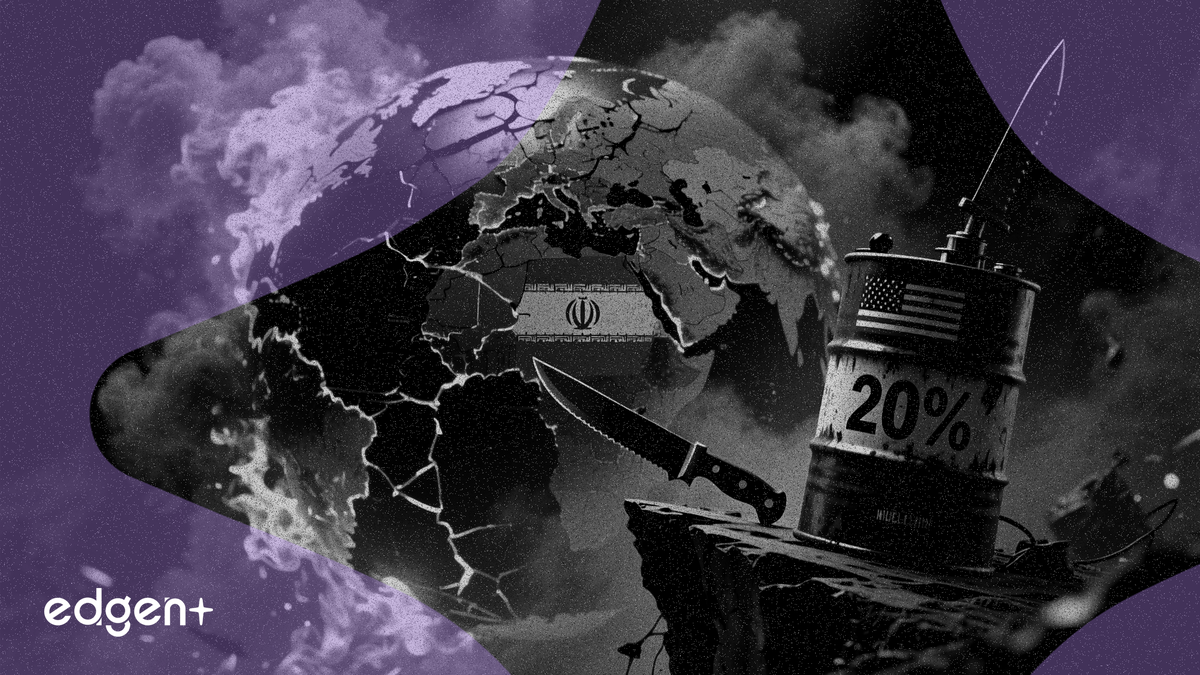
The U.S. and Iran engaged in a direct military exchange in the Strait of Hormuz on May 7, pushing the region closer to a full-scale conflict that threatens to sever a waterway responsible for a fifth of the world's oil supply. The clashes occurred as the U.S. prepares to restart its "Freedom Initiative" to escort commercial ships, a move enabled by a crucial reversal from Saudi Arabia and Kuwait to reopen their airspace and bases to the U.S. military.
"The U.S. military... eliminated inbound threats and targeted Iranian military facilities responsible for attacking U.S. forces, including missile and drone launch sites, command-and-control locations and intelligence surveillance and reconnaissance nodes," U.S. Central Command said in a statement. In response, an Iranian military spokesperson accused the U.S. of attacking civilian areas and vowed to "respond powerfully."
The escalation follows weeks of an Iranian blockade that has crippled global trade, stranding 1,550 vessels and 22,500 mariners in the Persian Gulf. The effective closure of the strait, through which 100-130 ships passed daily before the war, has caused U.S. gasoline prices to surge 50 percent to an average of $4.56 a gallon and has nearly doubled the cost of jet fuel. Shipping insurance rates have skyrocketed from 1 percent to as high as 10 percent of a ship's cargo value.
The direct clashes undermine intensive diplomatic efforts by Pakistan and others to broker a ceasefire, making the prospect of a wider conflict more probable. With a U.S. intelligence assessment suggesting Iran can sustain its blockade for another three to four months, the U.S. restarting naval escorts through a narrow, mine-swept channel creates a high-risk environment where any miscalculation could trigger a broader war, potentially sending oil prices into uncharted territory and severely impacting the global economy.
The decision by Saudi Arabia and Kuwait to lift restrictions on U.S. military access marks a significant shift. The "Freedom Initiative" was initially paused just 36 hours after its launch, following objections from Gulf states who felt U.S. rhetoric was downplaying the severity of Iranian attacks. After a call between President Trump and Saudi Crown Prince Mohammed bin Salman, the restrictions were lifted, clearing the way for the U.S. to provide naval and air protection for commercial ships.
According to U.S. Defense Secretary Pete Hegseth, the plan involves creating a "powerful defense dome" with hundreds of aircraft providing 24/7 surveillance to protect vessels transiting a narrow, de-mined corridor. The U.S. military has committed 15,000 soldiers and 100 aircraft to the operation.
While military tensions flare, diplomatic negotiations for a temporary ceasefire are reportedly ongoing. Tahir Andrabi, a spokesperson for Pakistan's Foreign Ministry, which is helping mediate, expressed optimism that an agreement could be reached soon. However, the U.S. simultaneously announced new sanctions on Iranian and Iraqi oil networks, complicating the "边打边谈" (fight and talk) dynamic.
Iran's leadership remains defiant. Former IRGC commander Mohsen Rezaei stated that Iran would not allow the U.S. to "walk away" without compensating Iran for its losses. The United Nations World Food Program has warned that a prolonged closure could push 45 million people into hunger, primarily in Asia and Africa, as fuel and fertilizer shipments are blocked.
This article is for informational purposes only and does not constitute investment advice.

