
A potential US-led diplomatic clash with Iran at the upcoming Non-Proliferation Treaty review conference on April 27 could trigger a significant flight to safety in global markets.
A potential US-led diplomatic clash with Iran at the upcoming Non-Proliferation Treaty review conference on April 27 could trigger a significant flight to safety in global markets.
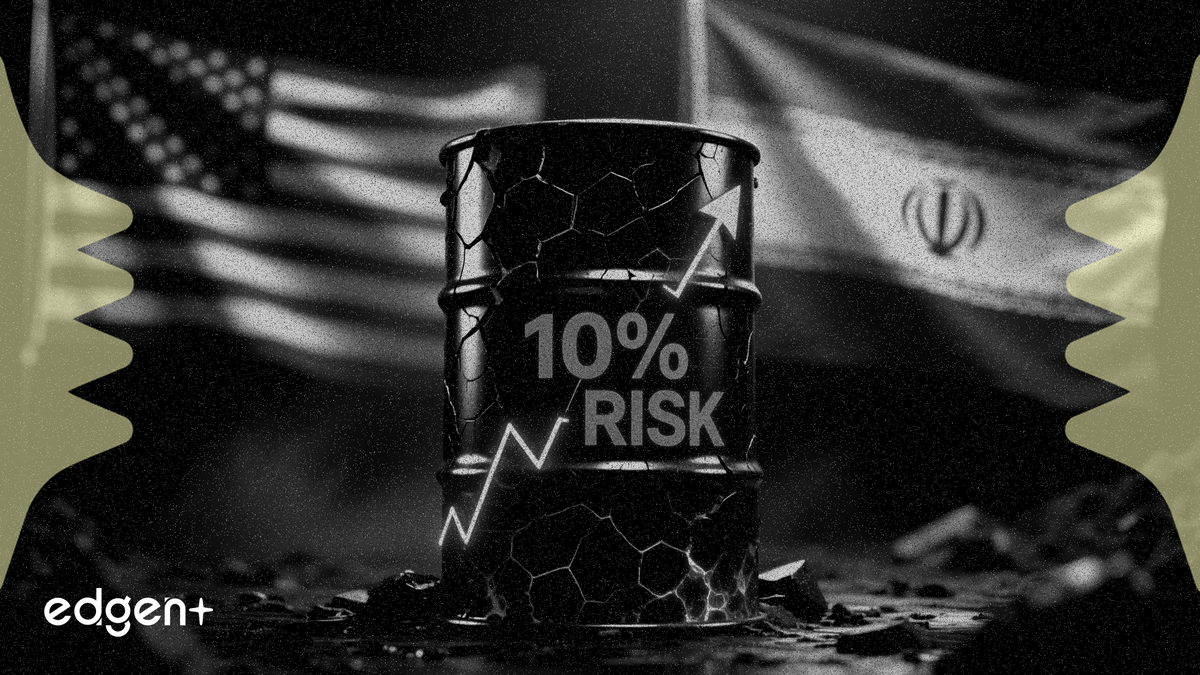
(P1) A potential shift in US strategy to aggressively challenge Iran’s nuclear fuel program at the April 27 NPT Review Conference could see a 10 percent risk premium return to oil prices, according to geopolitical risk analysts.
(P2) "The Trump administration has an opportunity to toughen the treaty, which would enhance both the U.S. position vis-à-vis Iran and the broader nonproliferation regime," Henry Sokolski, executive director of the Nonproliferation Policy Education Center, wrote in the Wall Street Journal.
(P3) A more confrontational U.S. stance could ripple across markets, potentially triggering a sell-off in broad equity indices like the S&P 500 while boosting defense-sector stocks. Such a move would likely spur a flight to safe-haven assets, causing a rally in gold and the U.S. dollar.
(P4) At stake is the stability of global energy supplies, as Iran's nuclear ambitions persist in a region responsible for a significant portion of the world's oil transit. Iran currently possesses enough near-weapons-grade uranium to produce up to 11 nuclear weapons, according to the source material, a development that underpins the rationale for a more forceful diplomatic strategy.
The proposed U.S. strategy would directly confront Tehran's assertion that Article IV of the NPT grants an "inalienable right" to enrich uranium. Sokolski argues no such right exists in the treaty, and that the U.S. should press for a ban on nuclear fuel-making for all non-weapons member states. This would codify a justification for demanding Iran decommission its fuel-making plants and surrender its enriched uranium.
This diplomatic gambit carries risks of its own, potentially isolating the U.S. from allies and creating friction with China and Russia, who could use the precedent to justify their own military actions against nuclear facilities in Taiwan or Ukraine. However, the article notes that neither Taiwan nor Ukraine enriches fuel, unlike Iran, which is in violation of its IAEA inspection obligations. The last major escalation in Gulf tensions in 2019 saw Brent crude prices spike nearly 15 percent in a single day, demonstrating the market's sensitivity to conflict in the region.
A successful push by the U.S. could deter a regional arms race, as it would address Saudi Arabia's stated need to pursue its own enrichment capabilities as a counter to Iran. The policy would represent a significant shift from previous administrations, which have been hesitant to challenge Iran's interpretation of the NPT directly.
This article is for informational purposes only and does not constitute investment advice.