
The prospect of a second round of US-Iran negotiations hangs in the balance, injecting fresh uncertainty into oil markets as a temporary ceasefire in Lebanon approaches its expiration.
The prospect of a second round of US-Iran negotiations hangs in the balance, injecting fresh uncertainty into oil markets as a temporary ceasefire in Lebanon approaches its expiration.
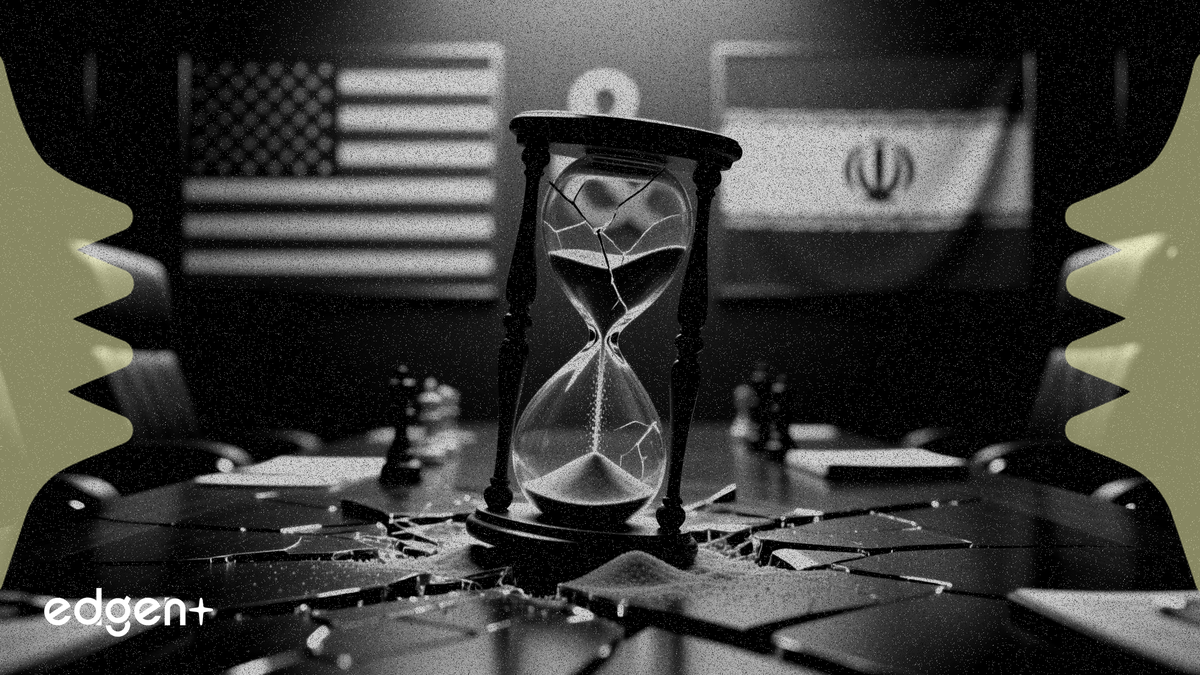
(P1) Prospects for a second round of US-Iran nuclear talks remain uncertain as a key deadline for a temporary 10-day ceasefire looms, with officials disagreeing on core issues from uranium enrichment to the conflict in Lebanon.
(P2) A person familiar with the matter told Reuters that US Vice President Vance has not yet departed for Pakistan for planned talks. An Iranian senior official mentioned that Iran is considering but has not yet decided whether to participate, the newswire reported.
(P3) The uncertainty follows a period of intense conflict and a subsequent fragile truce. The temporary ceasefire, which began at 5:00 PM ET on April 16, halted direct attacks but left major issues unresolved. The Islamic Revolutionary Guards Corps (IRGC) has insisted on controlling the Strait of Hormuz, a chokepoint for about 21 percent of global oil trade, while the US maintains a naval blockade on Iranian ports that has already turned back 19 vessels, according to CENTCOM.
(P4) The stalemate injects significant risk into global energy markets. A failure to extend the ceasefire or make diplomatic progress could see a return to hostilities, threatening oil shipments and potentially causing a spike in crude prices. The next few days are critical as the current 10-day ceasefire is set to expire.
Significant gaps remain between the two sides. US President Donald Trump has continued to press for the complete removal of Iran’s highly enriched uranium stockpile from the country, a demand Iran appears unwilling to meet, according to officials and sources cited on April 17.
The parties also remain divided over the future of Iran's enrichment capabilities. While Iran has proposed a five‑year pause in enrichment, US negotiators had previously discussed a 20‑year moratorium. President Trump stated on April 17 that any agreement must ensure Iran can never acquire a nuclear weapon, going beyond a fixed timeframe. He also rejected the idea of unfreezing $20 billion in Iranian assets in exchange for the uranium stockpile.
The IRGC has openly contradicted members of Iran's own Foreign Affairs Ministry, reflecting deep divisions within the regime. After Foreign Affairs Minister Abbas Araghchi announced on X that the Strait of Hormuz was “completely open,” IRGC-affiliated media harshly criticized the statement. They argued it created confusion and allowed the US to shape the narrative.
An informed source close to Iran's Supreme National Security Council told Fars News that any opening of the strait is contingent on conditions, including that vessels not be “related to belligerent countries” and that they coordinate passage with the IRGC. This internal factional fighting, exacerbated since the death of former Supreme Leader Ali Khamenei, suggests hardline elements like the IRGC retain significant influence over state decisions.
Despite the temporary ceasefire in Lebanon, both sides continue to assert their positions. Israeli forces have continued ground operations to destroy Hezbollah infrastructure in southern Lebanon. Hezbollah, which claimed to have conducted 2,184 operations between March 2 and April 16, has stated it will "never, ever" disarm until Israeli forces withdraw completely.
The US naval blockade of Iranian ports remains in effect, with CENTCOM reporting that zero vessels have successfully breached it. Commercially available maritime data shows no Iranian-linked vessels have approached the US blockade line since April 17. The US Navy has warned it could intercept ships transporting Iranian oil in international waters, and at least five Iranian-linked tankers reportedly altered course to avoid confrontation.
This article is for informational purposes only and does not constitute investment advice.