
주요 요점:
- 미국 초당파 의원들이 중국산 전기차(EV) 부품 및 소프트웨어의 수입을 차단하는 법안을 발의했습니다.
- 이번 조치는 도널드 트럼프와 시진핑 중국 국가주석의 회담 직전에 이루어져 미중 무역 관계에 복잡성을 더하고 있습니다.
- 제안된 법안은 자동차 제조업체의 공급망을 혼란에 빠뜨리고 미국 내 전기차 가격을 상승시킬 잠재적 위험이 있습니다.
주요 요점:
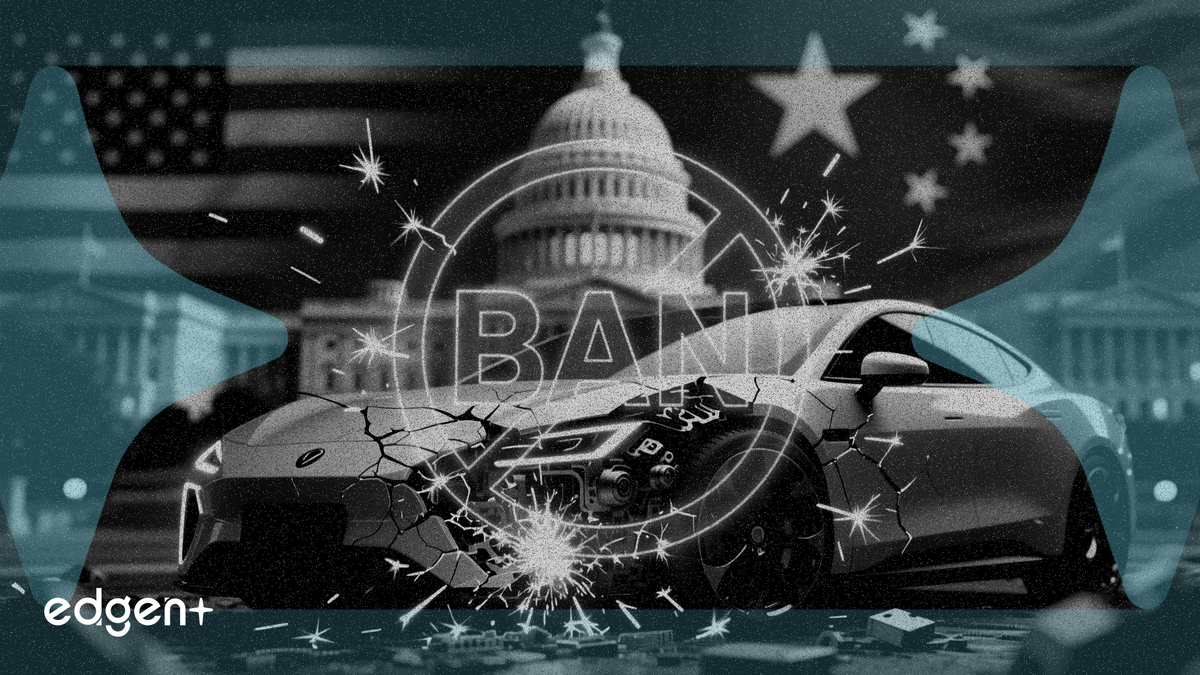
미국 초당파 의원들은 5월 12일 중국산 전기차(EV) 부품 및 소프트웨어의 미국 시장 진입을 금지하는 법안을 발의했습니다. 이번 조치는 도널드 트럼프 전 대통령의 베이징 외교 방문을 앞두고 양국 간 지속되는 무역 분쟁의 수위를 높이는 것입니다. 존 물레나르(공화·미시간) 의원과 데비 딩겔(민주·미시간) 의원이 공동 발의한 이 법안은 중국이 개발한 '스마트 차량' 시스템에 의해 수집되는 데이터에 대한 국가 안보 우려를 이유로 기존 제한 조치를 법제화하고 확대하는 것을 목표로 합니다.
물레나르 의원은 성명에서 "중국의 스마트 차량은 명백한 국가 안보 위협"이라고 밝혔습니다. 딩겔 의원은 이번 입법이 "미국 운전자와 미국 제조업"을 보호하기 위한 것이라고 덧붙였습니다. 이러한 움직임은 제너럴 모터스, 도요타, 폭스바겐과 같은 주요 자동차 제조업체를 대변하는 무역 단체들이 중국이 "미국의 글로벌 경쟁력, 국가 안보 및 자동차 산업 기반에 직접적인 위협"이 된다고 경고하는 등 미국 자동차 업계의 폭넓은 지지를 받고 있습니다.
제안된 법안은 중국 소프트웨어가 포함된 차량의 수입을 제한했던 2025년 1월 바이든 행정부의 행정명령을 영구화할 것입니다. 이 새로운 법안은 이러한 제한을 광범위한 전기차 부품으로 확대하고 구체적인 집행 메커니즘을 명시하고 있습니다. 이러한 조치는 BYD, 니오(Nio), 지리(Geely)와 같은 중국 전기차 제조업체들이 가격 경쟁력을 앞세워 유럽, 남미, 아시아 시장에서 입지를 빠르게 넓히고 있는 상황에서 나왔습니다. 워싱턴 주재 중국 대사관은 미국에 "국가 안보 개념을 과도하게 확장하는 것을 중단하라"고 촉구하며 이 법안을 비판했습니다.
법안 발의 시점은 도널드 트럼프와 시진핑 중국 국가주석의 예정된 회담을 앞두고 있어 특히 중요합니다. 이번 회담의 결과는 자동차 부문이 핵심 전쟁터가 된 미중 무역 관계의 미래에 심대한 영향을 미칠 수 있습니다. 법안이 통과되면 자동차 제조업체들은 공급망을 재구성해야 하며, 이는 잠재적으로 생산 비용 상승과 미국 소비자들을 위한 전기차 가격 인상으로 이어질 수 있습니다. 반면, 미국 내 부품 제조업체들에게 이 법안은 중국과의 경쟁으로부터 그들을 보호하는 큰 호재가 될 수 있습니다. 법안의 향방은 곧 열릴 베이징 고위급 회담의 핵심 의제가 될 것으로 보입니다.
이 기사는 정보 제공 목적으로만 작성되었으며 투자 조언을 구성하지 않습니다.
