
Washington is rallying allies for a new “Maritime Freedom Construct” to ensure passage through the world’s most important oil chokepoint, where traffic has slowed to a crawl.
Washington is rallying allies for a new “Maritime Freedom Construct” to ensure passage through the world’s most important oil chokepoint, where traffic has slowed to a crawl.
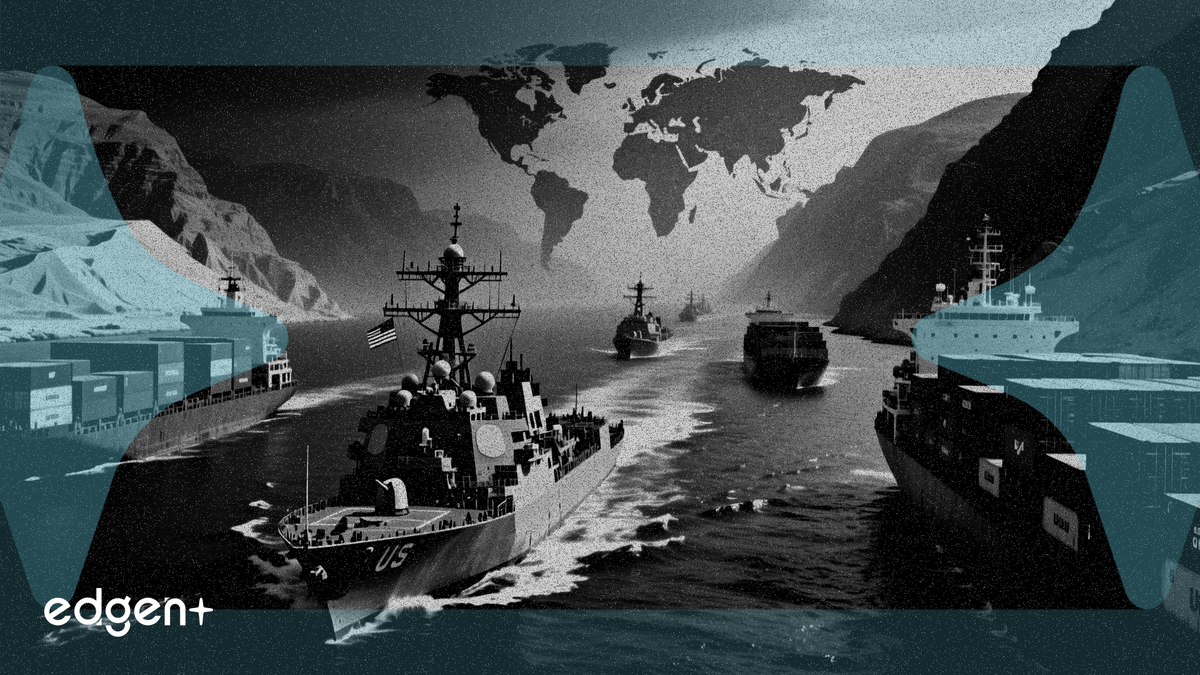
The Trump administration is formally asking allies to join a new international coalition to restore safe passage through the Strait of Hormuz, where ship traffic has stalled amid an escalating standoff with Iran.
“Your participation will strengthen our collective ability to restore freedom of navigation and protect the global economy,” a State Department cable sent to U.S. embassies on Tuesday reportedly said, according to The Wall Street Journal.
The proposal, named the "Maritime Freedom Construct," aims to coordinate intelligence sharing, diplomatic efforts, and sanctions enforcement. While not presented as a formal military alliance, the communication invites nations to join as "diplomatic and/or military partners." The move comes as vessel movement has slowed significantly, despite President Trump’s recent assertion that the strait was “completely open and ready for business.”
The initiative puts the future of the world’s most critical oil chokepoint at the center of the US-Iran conflict. The Strait of Hormuz handles over 20% of global oil consumption, and a prolonged disruption could send crude prices sharply higher, threatening to roil the global economy. Tensions have mounted as the US enforces a blockade on vessels heading to or from Iranian ports, while Tehran has threatened to lay mines and attack tankers transiting the waterway.
The State Department communication instructs U.S. diplomats to press foreign governments to join the new construct, which a senior administration official confirmed was one of several options available to the president. The effort represents a renewed attempt to build a global consensus after a similar push by the U.S. in the past failed to gain traction among key allies in Europe and Asia.
Washington’s latest diplomatic campaign follows a deadlock in peace negotiations, with President Trump reportedly preparing for an extended blockade until Iran agrees to abandon its nuclear program. The success of this new coalition may depend on whether allies view the stalled traffic as a greater threat than the risk of being drawn into a direct confrontation between the U.S. and Iran.
This article is for informational purposes only and does not constitute investment advice.

