
US forces struck two Revolutionary Guard rocket launch pads on Iran's Larak Island, killing at least two people and reopening supply risk through the Strait of Hormuz.
US forces struck two Revolutionary Guard rocket launch pads on Iran's Larak Island, killing at least two people and reopening supply risk through the Strait of Hormuz.
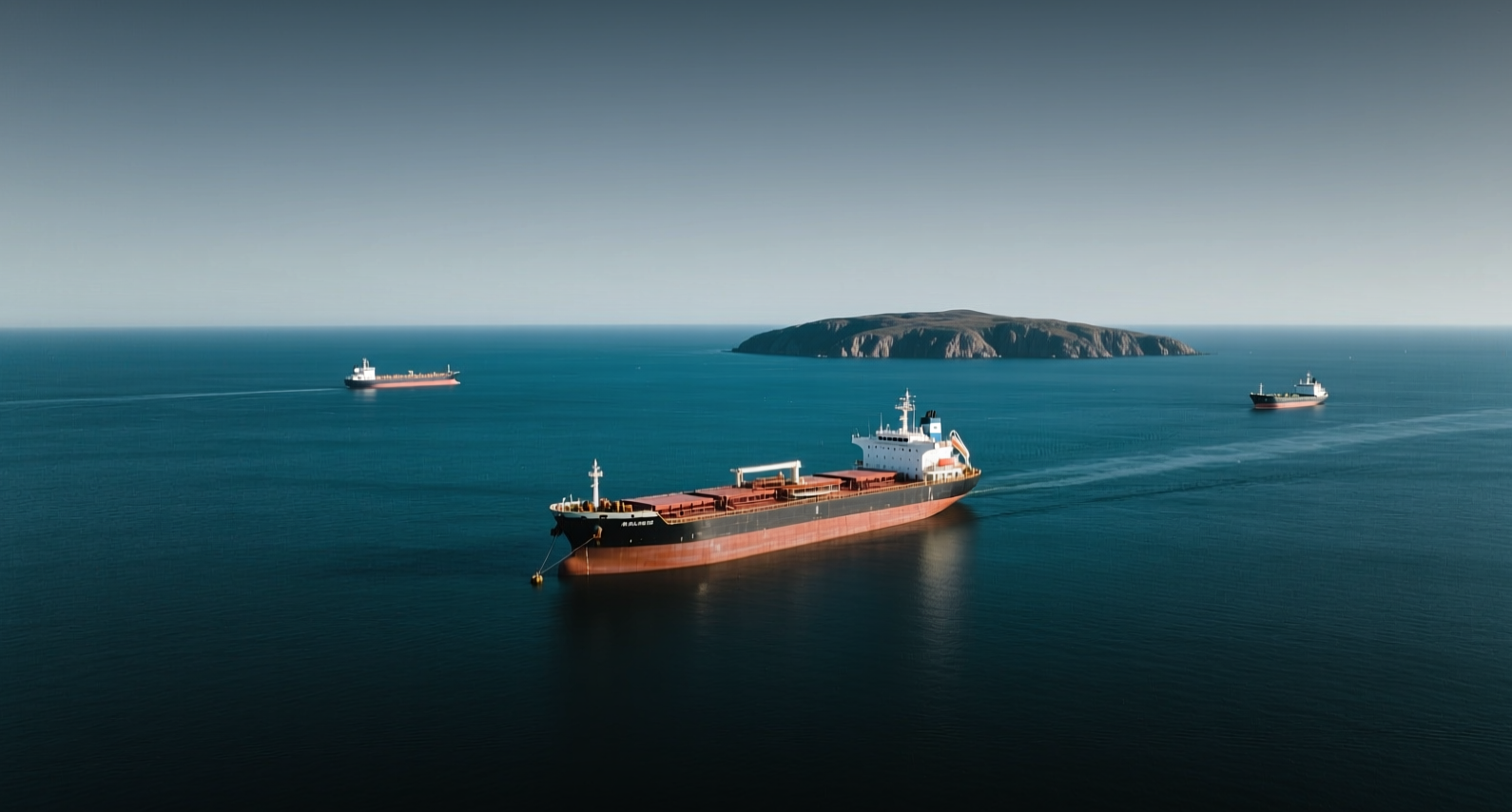
US forces struck two Revolutionary Guard rocket launch pads on Iran's Larak Island, killing at least two people and reopening supply risk through the Strait of Hormuz.
US forces struck two Islamic Revolutionary Guard Corps rocket launch pads on Iran's Larak Island on Aug 30, killing at least two people and reviving supply risk for the Strait of Hormuz, the chokepoint that carries about 20 percent of global oil. The operation was the first direct US military action against Iran since President Donald Trump ordered a halt to attacks on July 24.
"The enemy's terrorist act targeting Larak Island will face a strong response, and the aggressor will be punished," the Revolutionary Guard said in a statement, adding that several soldiers and civilians were killed or wounded. Iran's Tasnim News Agency put the toll at two killed and two wounded, while the semi-official Fars News Agency reported explosions near the island without identifying a cause.
The strike came after a US official, speaking on condition of anonymity, said the Guard was preparing to fire rockets carrying naval mines into the strait, according to Reuters and Axios. The UK Maritime Trade Organization separately reported that a vessel was struck by an unidentified projectile off Oman the same day, underscoring the fragility of shipping lanes in the waterway.
The Aug 30 operation marks a reversal of the Trump administration's month-long reliance on economic pressure. Trump on Aug 19 announced a large-scale economic isolation campaign, and Treasury Secretary Scott Bessent followed five days later with sanctions on third countries trading with Iran, aimed at cutting off funding sources for the regime. Supreme Leader Mojtaba Khamenei on Aug 30 urged Islamic countries across the Middle East, Africa, and Asia to unite against the US and Israel and to reject the sanctions.
The last time US forces struck Iranian targets directly, in the weeks after the war began Feb 28, crude prices spiked as traders priced in a prolonged closure of the strait. A renewed strike on Larak Island, which sits east of Qeshm in Hormozgan province, revives that scenario: any sustained disruption to the waterway would tighten an already-supplied global market and lift Brent, while gold and the dollar would draw safe-haven bids.
Larak Island's position in the Strait of Hormuz makes it strategically central to both sides. For Washington, neutralizing launchers that could seed mines across shipping lanes protects the roughly 20 percent of global oil that transits the waterway daily. For Tehran, the strait is its principal economic lever, and the Guard's pledge of "punishment" suggests the risk of retaliation against shipping or US assets in the region has not receded.
Traders will watch for three signals in the coming days: whether Iran follows through on its threat, whether the US resumes large-scale strikes or returns to sanctions, and whether insurers raise war-risk premiums on tankers transiting the strait. Each would feed directly into crude prices and broader risk appetite, with the Feb 28 war serving as the template for how quickly the market reprices a Hormuz disruption.
This article is for informational purposes only and does not constitute investment advice.
