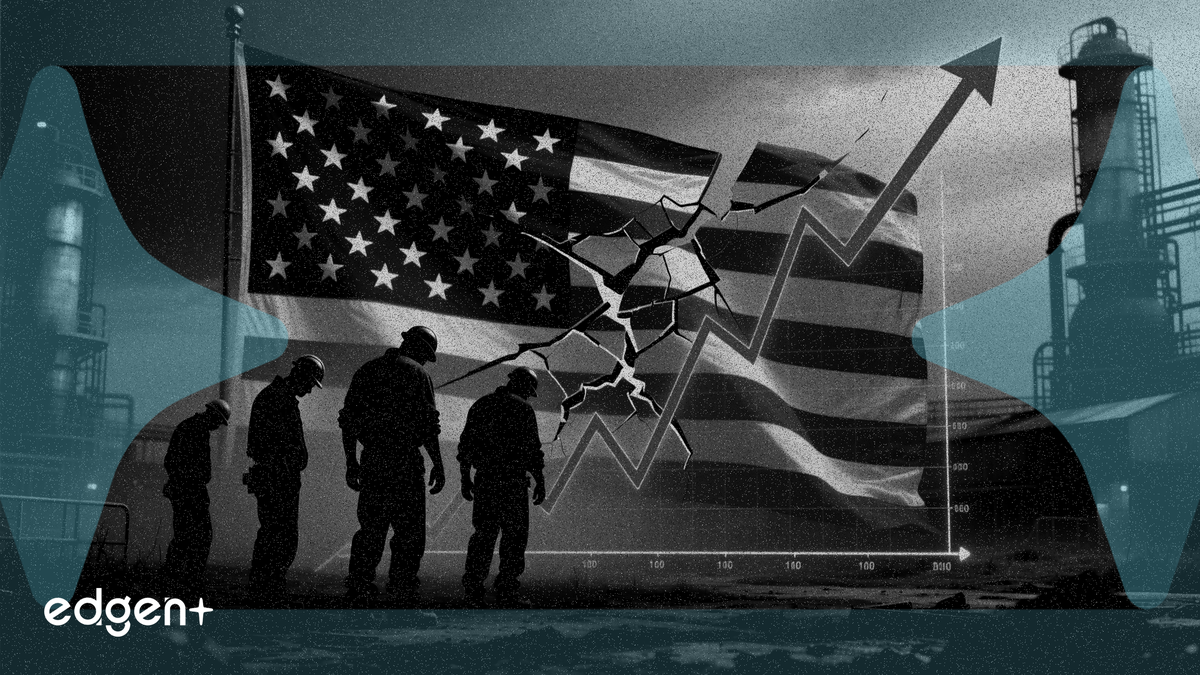
A growing body of evidence suggests US tariff policies, intended to protect domestic industries, have instead led to significant net job losses and rising costs for American manufacturers. Recent analysis of the Trump administration's aluminum and steel tariffs shows an estimated loss of 75,000 jobs, challenging the effectiveness of protectionism as a tool for economic growth.
"Decades of protection failed to create thriving U.S. steel, shipbuilding, textile and footwear industries," said Scott Lincicome and Alfredo Carrillo Obregon, trade policy analysts at the Cato Institute, in a recent Wall Street Journal op-ed. They argue that with around half of imports being manufacturing inputs, tariffs raise American producers’ costs and undermine competitiveness.
The impact is stark in the aluminum market. After Section 232 tariffs were raised to 50 percent, the "Midwest premium"—a surcharge American buyers pay over the London Metal Exchange benchmark—more than doubled. This occurred even as domestic primary aluminum production continued to decline, with smelters in Washington, Missouri, and Kentucky shutting down, leaving only four in operation nationwide.
The core issue is that tariffs designed to shield one industry create costly ripple effects downstream. For every job saved in a protected sector, multiple jobs are often lost in larger, more labor-intensive industries that use the tariffed goods as inputs. A pending case on quartz surface products, for example, could save 500 production jobs but places an estimated 6,434 jobs in fabrication and installation at risk—a ratio of nearly 13 jobs lost for every one gained.
A Pattern of Net Job Losses
The negative employment impact of tariffs is a well-documented pattern. Beyond the 75,000 jobs lost to recent steel and aluminum duties, solar panel tariffs imposed in 2018-19 eliminated 62,000 jobs in installation and project development while creating only 2,000 in manufacturing. Similarly, Moody's Analytics estimated that the trade war with China cost 300,000 American jobs between 2018 and 2019, while steel tariffs under the Bush administration sacrificed as many as 200,000 jobs for no discernible gain in steel employment.
"Tariffs, meanwhile, raise the cost of U.S. manufacturing," said Johan "Kip" Eideberg of the Association of Equipment Manufacturers in a Fortune commentary. "The United States is already the highest-cost producer of heavy equipment globally, and additional tariffs only exacerbate this disadvantage." This is compounded by a severe workforce shortage, with a Deloitte study forecasting a shortfall of 2.1 million manufacturing workers by 2030, potentially costing the US economy $1 trillion in lost output.
Supply Chains Weaken, Costs Rise
Rather than fostering resilience, tariffs have made supply chains more fragile. When the 50 percent aluminum tariff was applied to Canada, a long-integrated supplier, Canadian producers pivoted to sell in Europe. Aluminerie Alouette, North America’s largest smelter, saw its European sales jump from 4 percent to 57 percent of production. This forced American companies to become more reliant on imports from the Middle East, sources now threatened by geopolitical instability.
The consequences are tangible for major consumers. Ford Motor Co. reported it would pay $1 billion more to import aluminum after a fire at its main US supplier, highlighting how tariffs block access to alternative sources during a crisis. This dynamic shows that localized supply chains are vulnerable to local shocks, a risk that protectionist policies amplify.
This article is for informational purposes only and does not constitute investment advice.