
The US military will bomb key facilities inside Iran tonight, Defense Secretary Pete Hegseth said, triggering the most severe US-Iran military confrontation in decades.
The US military will bomb key facilities inside Iran tonight, Defense Secretary Pete Hegseth said, triggering the most severe US-Iran military confrontation in decades.
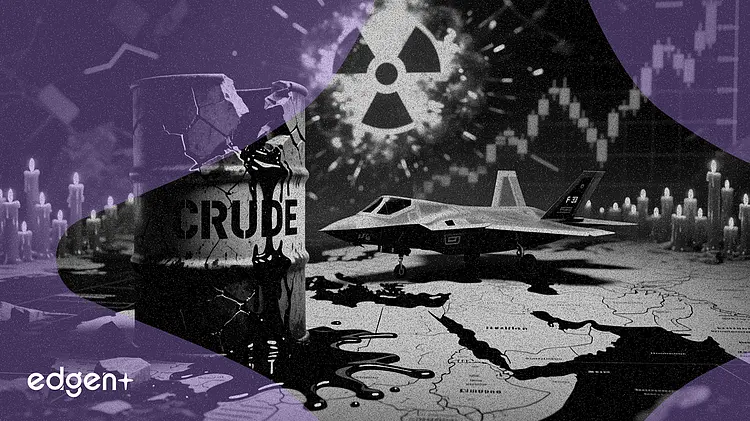
The US military will bomb key facilities inside Iran tonight, Defense Secretary Pete Hegseth said, triggering the most severe US-Iran military confrontation in decades.
The US military will bomb key facilities inside Iran on Monday night, Defense Secretary Pete Hegseth said, escalating Middle East tensions to their highest level since the 2020 Soleimani strike and threatening a sharp spike in crude oil prices.
"The US Central Command will be very busy tonight as we will strike Iranian key facilities," Hegseth said in a statement on June 10. Iran's armed forces spokesman Abolfazl Shekarchi responded that Tehran would retaliate with a response "harsher, stronger, and more devastating than ever before."
The announcement triggered broad risk-asset selling. Crude oil futures surged more than 4% in after-hours trading, while gold rose 1.8% as investors sought safe havens. Major US equity index futures fell more than 2%, and the VIX volatility index spiked above 28 — levels not seen since the regional banking crisis in March 2023.
The Strait of Hormuz, a chokepoint through which about 21% of global oil trade passes daily, sits within striking distance of Iranian military positions. Any disruption to tanker traffic could push crude prices sharply higher. The last time the US conducted a direct military strike on Iranian assets — the January 2020 drone strike that killed General Qasem Soleimani — Brent crude spiked 5% in a single session before retreating over the following week.
Oil Markets Face Supply Disruption Risk
Iran produces about 3.2 million barrels of crude oil per day, roughly 3% of global supply, with the vast majority exported through the Strait of Hormuz. The US strike announcement threatens to remove a significant portion of that output from global markets at a time when OPEC+ spare capacity is already stretched thin. Saudi Arabia holds most of the world's spare capacity at about 1.5 million barrels per day, insufficient to fully replace an Iranian outage.
Gold surged past $2,400 an ounce in early Asian trading, while the US dollar index climbed 0.6% against a basket of major currencies as traders piled into haven assets. The 10-year US Treasury yield dropped 12 basis points as investors priced in flight-to-quality flows. Cryptocurrencies also sold off, with Bitcoin falling more than 4%.
Historical Precedent Points to Prolonged Volatility
The last major US-Iran military escalation occurred in January 2020, when a US drone strike killed General Soleimani in Baghdad. Brent crude rose 5% on the day of the strike but gave back gains within two weeks as both sides signaled de-escalation. The current situation differs in scale: a sustained bombing campaign targeting Iranian infrastructure represents a more significant escalation than a single targeted killing.
Iran's threat of retaliation raises the risk of a broader regional conflict. Iranian proxies in Yemen, Lebanon, Iraq and Syria have previously targeted Saudi oil infrastructure, Israeli territory and US military bases. The Houthi movement in Yemen, which Iran backs, has demonstrated the ability to disrupt Red Sea shipping routes since late 2023.
This article is for informational purposes only and does not constitute investment advice.
