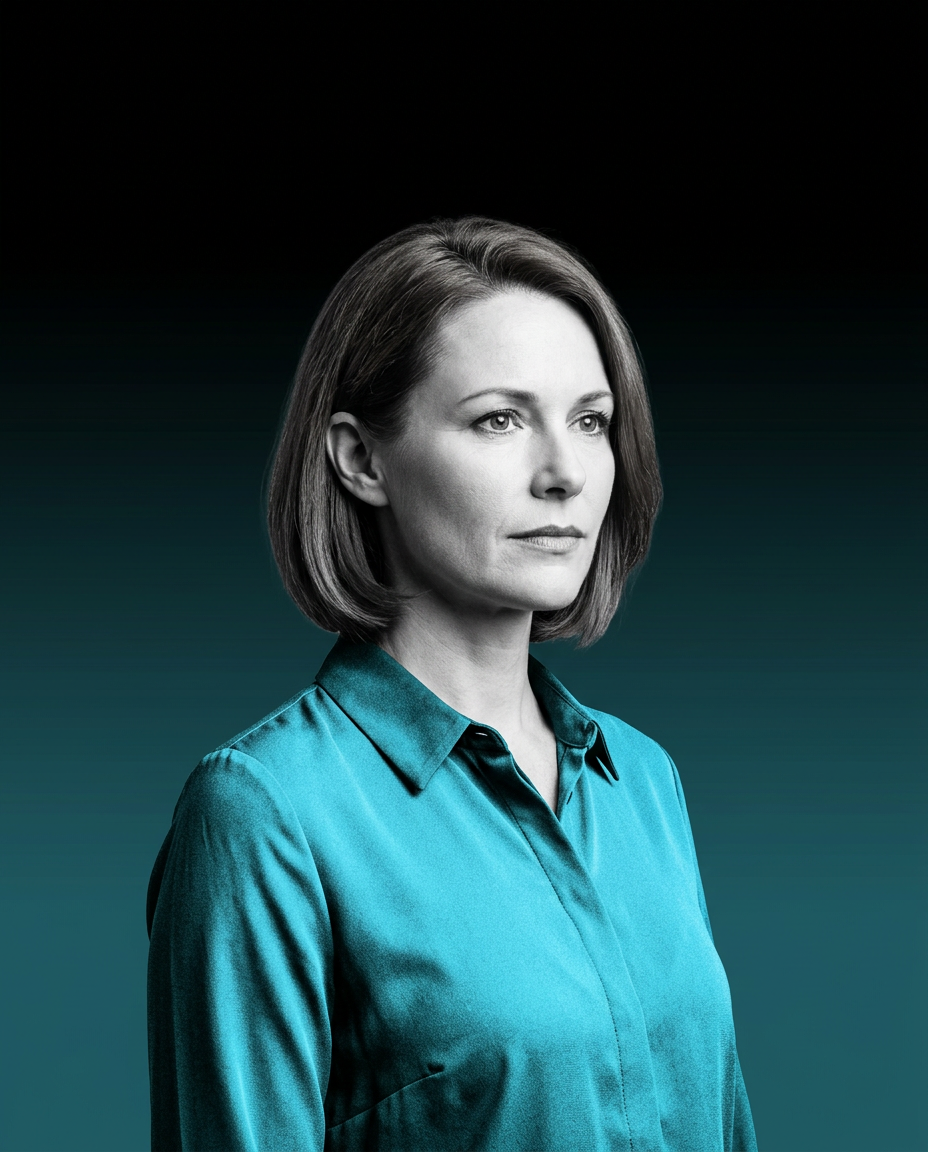
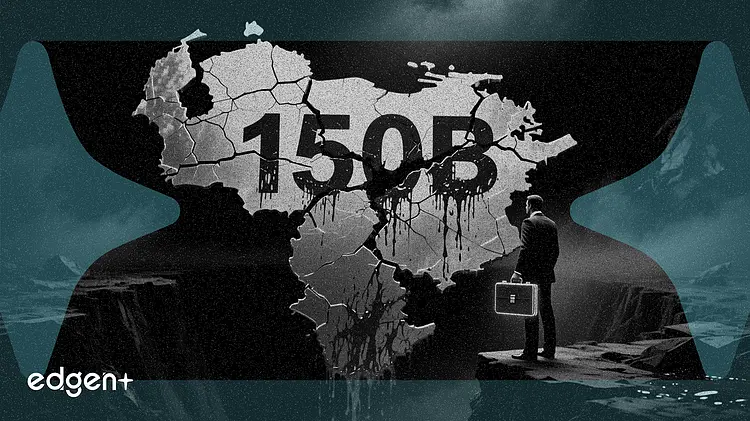
Le banquier d'affaires français qui a conseillé sur la crise de la dette grecque et compte des dirigeants socialistes parmi ses alliés a remporté le mandat de démêler l'un des défauts souverains les plus complexes au monde — un pari de 150 milliards de dollars sur la renaissance économique du Venezuela après la capture de Nicolás Maduro.
Le Venezuela a engagé Centerview Partners à la mi-mai pour restructurer environ 150 milliards de dollars de dette souveraine et de dette impayée de la compagnie pétrolière d'État, faisant appel à un banquier dont les positions politiques sont à l'opposé de celles de l'administration Trump qui dicte désormais la ligne à Caracas. Ce mandat, l'une des plus grandes restructurations de dette souveraine depuis celle de la Grèce il y a dix ans, place Matthieu Pigasse au centre d'un effort à haut risque visant à ramener des capitaux dans un pays qui est un paria financier depuis son défaut de paiement en 2017.
« C'est un environnement tellement primitif que l'idée de parvenir à un règlement rapide suscite inévitablement des doutes », estime Alejandro Grisanti, directeur du cabinet de conseil économique caracénien Ecoanalitica. « Le Venezuela n'a pas seulement besoin de renégocier ses dettes, il doit reconstruire la confiance. »
Pigasse, associé gérant chez Centerview et ancien responsable du M&A mondial chez Lazard, a conclu cet accord avec le soutien en coulisses de Mauricio Claver-Carone, l'ancien envoyé spécial du président Donald Trump pour l'Amérique latine. Claver-Carone a déclaré avoir vivement recommandé l'embauche de Centerview à la présidente par intérim Delcy Rodriguez et avoir consulté le Département d'État et le Trésor américain. L'ancien envoyé, désormais associé gérant du fonds de capital-investissement LARA Fund basé à Miami, avait collaboré avec Pigasse sur la restructuration de la dette de l'Équateur en 2020.
Cette nomination a pris les concurrents de Wall Street au dépourvu. Rothschild, que le gouvernement Maduro avait mandaté en 2024, s'était rendu à Washington en février pour présenter ses arguments aux responsables américains. Un porte-parole du Trésor a indiqué que la décision revenait au Venezuela. Le vice-président de l'économie vénézuélienne, Calixto Ortega Sanchez, a déclaré que le gouvernement avait choisi Centerview en raison de « sa compréhension approfondie » de l'économie du pays et de ses relations de longue date.
Le contexte géopolitique
La restructuration fait suite à l'opération spéciale de l'administration Trump en janvier qui a permis la capture de Maduro et son transfert à New York pour des accusations de trafic de drogue. L'administration a depuis pris le contrôle des exportations pétrolières du Venezuela et gère étroitement la distribution des revenus, cherchant à revitaliser une économie qui s'est contractée de plus de 70 % au cours de la dernière décennie.
Pigasse s'est rendu à Caracas à deux reprises cette année — en février à bord d'un avion privé et de nouveau en avril, séjournant à l'hôtel Cayena, un lieu prisé des banquiers et des pétroliers — pour courtiser Rodriguez, qu'il avait rencontrée alors qu'il conseillait sur une possible vente de Citgo, l'actif de raffinage américain de la compagnie pétrolière d'État PDVSA. Il a également assisté à la projection privée à la Maison-Blanche du documentaire de Melania Trump, invité par le producteur Fernando Sulichin, un Argentin aux liens anciens avec les responsables vénézuéliens.
Claver-Carone a déclaré avoir approuvé Centerview en raison de l'expertise technique des banquiers et de son souhait d'écarter les conseillers qui avaient travaillé avec le gouvernement Maduro, notamment Rothschild et le cabinet d'avocats Dentons. « Je ne fais aucun conseil ou consultation rémunéré, et ma motivation première est la réussite de la politique du président Trump envers le Venezuela », a-t-il affirmé. Une porte-parole du Département d'État a précisé que Claver-Carone n'agit pas pour le compte du gouvernement américain.
Le défi de la restructuration
Le gouvernement vénézuélien a promis de présenter un cadre initial d'ici juin, un calendrier que de nombreux analystes jugent optimiste. Le pays n'a pas publié de données financières ou économiques complètes pendant la majeure partie de la dernière décennie, laissant créanciers et économistes spéculer sur le montant dû et les bénéficiaires.
Un élément clé de l'argumentaire de Centerview était la rapidité — mener la restructuration aussi vite que possible pour réintégrer le Venezuela dans l'économie mondiale. Cela a suscité des inquiétudes parmi les obligataires, notamment Fidelity et T. Rowe Price, qui ont discuté de la possibilité que ce calendrier accéléré soit un moyen d'imposer des décotes importantes sur leurs investissements, selon des sources proches du dossier.
Les honoraires pour ce mandat devraient atteindre des dizaines de millions de dollars, reflétant la complexité de la restructuration d'une dette qui englobe des obligations souveraines, des engagements de la PDVSA et des arriérés accumulés pendant près d'une décennie de sanctions et d'effondrement économique. La dernière fois qu'un État d'une ampleur comparable a procédé à une restructuration — la Grèce en 2012 — les créanciers privés ont subi une décote d'environ 75 % sur la valeur nominale de leurs obligations, et le processus a pris plus de deux ans.
Pour les investisseurs, les enjeux sont clairs : une restructuration réussie pourrait débloquer des flux de capitaux significatifs vers le secteur énergétique vénézuélien, qui détient les plus grandes réserves prouvées de pétrole au monde, et établir un modèle pour la manière dont l'administration Trump traite les autres économies sous sanctions. À l'inverse, un conflit prolongé avec les obligataires pourrait retarder la réintégration du pays sur les marchés financiers internationaux et maintenir le Venezuela dans l'isolement financier.
Cet article est fourni à titre d'information uniquement et ne constitue pas un conseil en investissement.