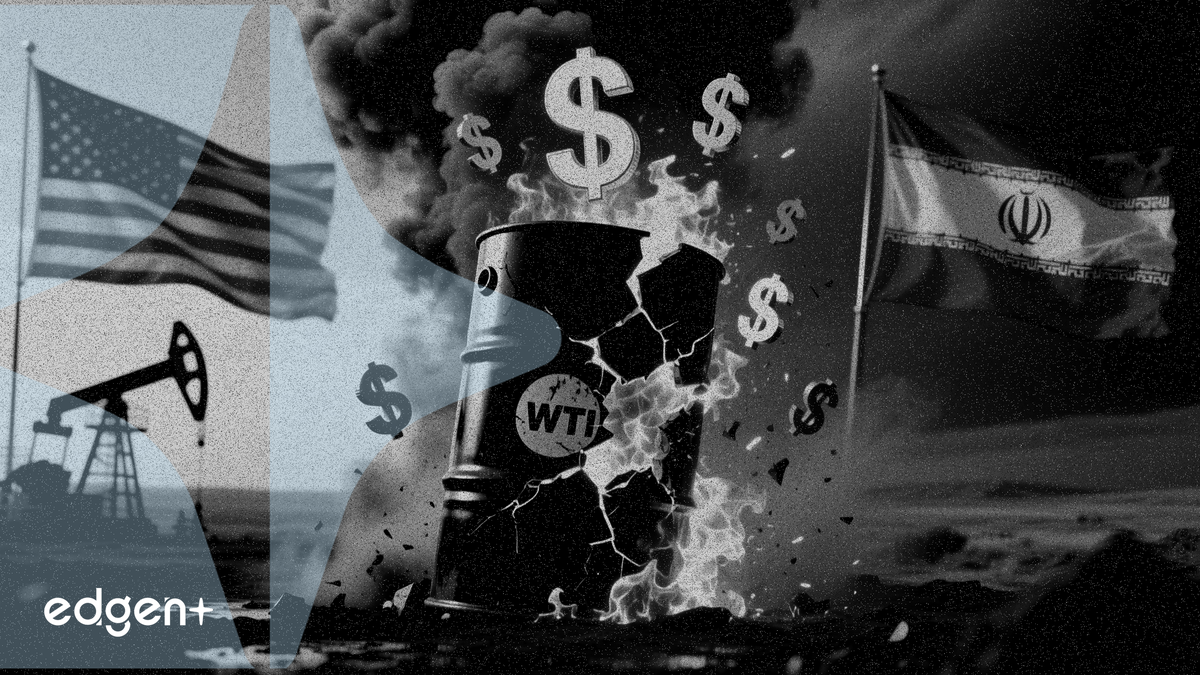
Oil prices climbed more than 4% as geopolitical risk returned to the forefront, with President Trump declaring a ceasefire with Iran was on “life support” and a key Middle East waterway remained shut.

West Texas Intermediate crude futures for June delivery jumped 4.19% to close at $102.18 per barrel, as traders priced in a higher risk of a prolonged conflict in the Middle East that could keep global energy supplies constrained.
"If the Strait of Hormuz opens today, it will still take months for the market to rebalance, and if its opening is delayed by a few more weeks, then normalization will last into 2027," Aramco chief executive Amin Nasser said on the company's first-quarter earnings call.
The increase of $4.11 for WTI was mirrored by international benchmark Brent crude, which gained 3.6% to trade near $108 per barrel. The surge in crude prices has already pushed the national average for a gallon of regular gasoline to $4.50, according to AAA data, putting pressure on consumers.
With the Strait of Hormuz—a chokepoint for nearly a fifth of the world's oil supply—effectively closed, the escalating standoff threatens to remove significant supply from the market for an extended period. Analysts warn that global inventories are depleting rapidly, and a diplomatic breakthrough appears increasingly unlikely.
The primary driver of Tuesday's price surge was the continued blockage of the Strait of Hormuz. Traffic through the critical chokepoint has been essentially halted, adding to supply losses throughout the market. Saudi Aramco CEO Amin Nasser warned Monday that the world is set to lose 100 million barrels of oil supply for each day the war continues, a staggering figure that underscores the severity of the disruption.
Even if a resolution were found tomorrow, the path to normal market conditions would be long. "The time required to restart fields, repair refineries and reposition tanker tonnage means the market is on track to lose another billion barrels over the balance of 2026,” Morgan Stanley analysts wrote in a recent report.
As the strait has remained closed, global oil inventories have plunged. While a heavily oversupplied market heading into the conflict provided a buffer, that cushion is nearing exhaustion. According to JPMorgan, global stocks in OECD countries are now expected to reach operational stress levels by June and the minimum level required for infrastructure to function by September.
Hopes for a diplomatic solution dimmed after President Trump on Monday dismissed Iran's latest counterproposal as "garbage." He told reporters the ceasefire agreement was on "massive life support," suggesting a very low probability of success and raising fears of a potential restart to a "hot war." Iran has demanded the lifting of a U.S. naval blockade and sanctions relief as part of any deal, terms the White House has rejected.
This article is for informational purposes only and does not constitute investment advice.