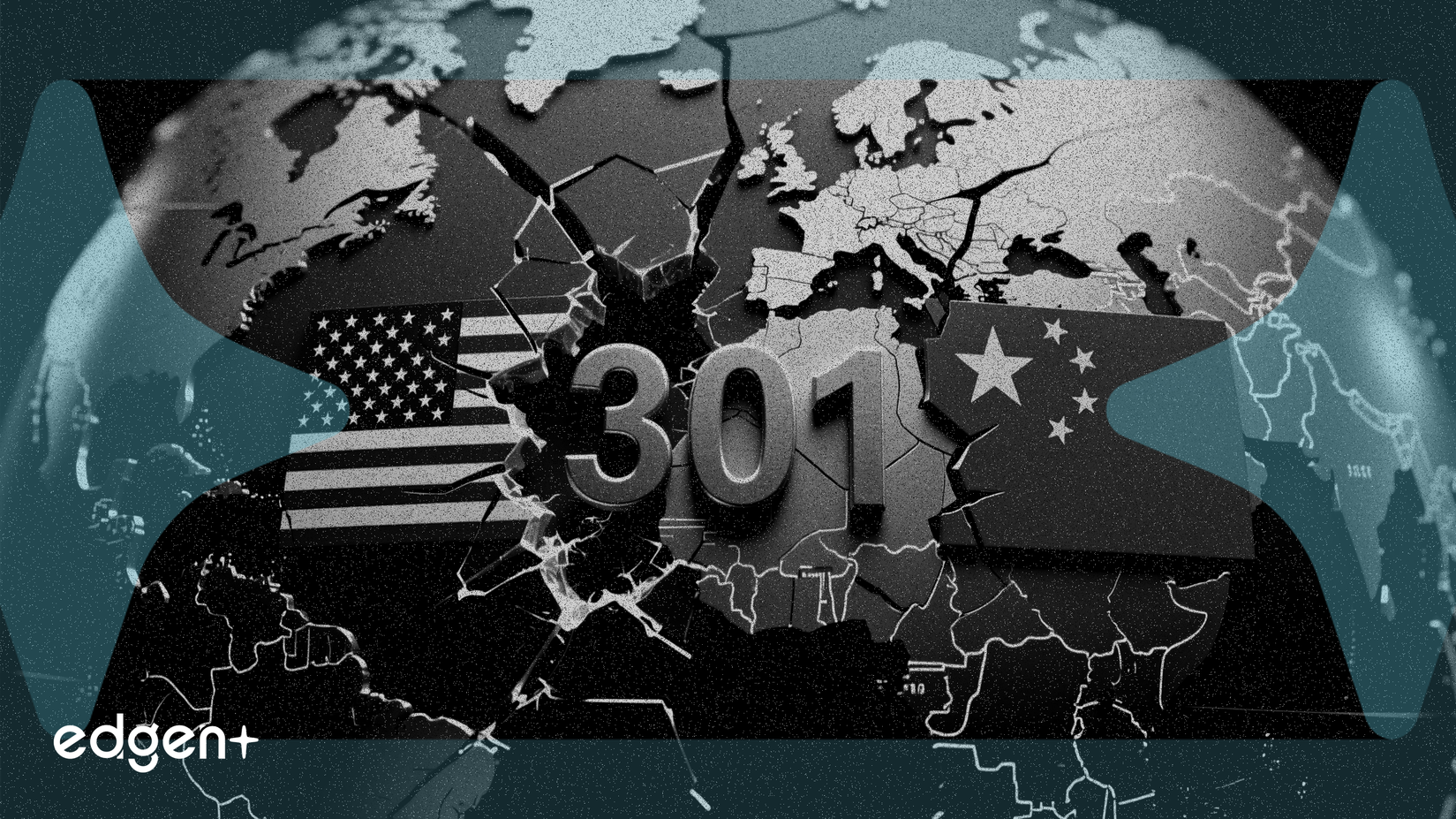
US Launches Sweeping Trade Probe Targeting 16 Economies
The United States has opened a new front in global trade disputes, launching a sweeping investigation under Section 301 of the Trade Act of 1974 against 16 of its largest trading partners. The probe, announced by the U.S. Trade Representative (USTR), targets China, the European Union, Japan, Mexico, and South Korea, among others. The USTR stated the inquiry aims to determine whether practices related to industrial "overcapacity" are "unreasonable or discriminatory" and burden American commerce.
This action follows a February 20 Supreme Court ruling that struck down the administration's previous emergency tariffs as illegal, eliminating an estimated $1.6 trillion in projected government revenue over the next decade. The White House has since imposed a temporary 10% tariff on all imports under Section 122, but that measure is set to expire on July 24, creating a deadline for the new Section 301 investigation to yield a more permanent tariff framework.
China Denounces Investigation, Citing WTO Rules
Beijing swiftly condemned the probe, with International Trade Negotiator and Vice Minister Li Chenggang stating that China firmly opposes the "unilateral" U.S. action. Chinese officials called the investigation a "typical unilateralist move" that risks severely disrupting international trade rules. A Ministry of Commerce spokesperson noted that a World Trade Organization (WTO) panel had previously ruled that tariffs imposed through Section 301 investigations violate WTO regulations. China also rejected Washington's claims of industrial overcapacity, arguing the allegation should not be used as a pretext for political manipulation and that it reserves the right to take necessary measures to protect its interests.
Global Partners on Alert as Tariff Costs Loom for US Households
The U.S. investigation has put global economies on high alert. The European Union has vowed to respond "firmly and proportionally" if Washington imposes tariffs that breach existing trade agreements. Japan, South Korea, and Thailand have also expressed concern and are preparing for consultations with U.S. authorities. The move introduces significant uncertainty into a global economy already strained by geopolitical tensions and supply chain disruptions.
Analysts warn the primary impact could fall on consumers and businesses. A study from Congressional Democrats projected that the administration's new tariff agenda could cost American households an average of $2,512 in 2026, a 44% increase from the previous year's tariff costs. This potential rise in prices for imported goods comes as businesses and consumers worldwide—including in the U.S.—face renewed economic headwinds.
 Edgen Stock·Mar 16 2026, 16:36