


Three mid-sized defense equipment makers are positioned to benefit as European allies accelerate military aid to Ukraine and global defense budgets climb.
Three mid-sized defense equipment makers are positioned to benefit as European allies accelerate military aid to Ukraine and global defense budgets climb.
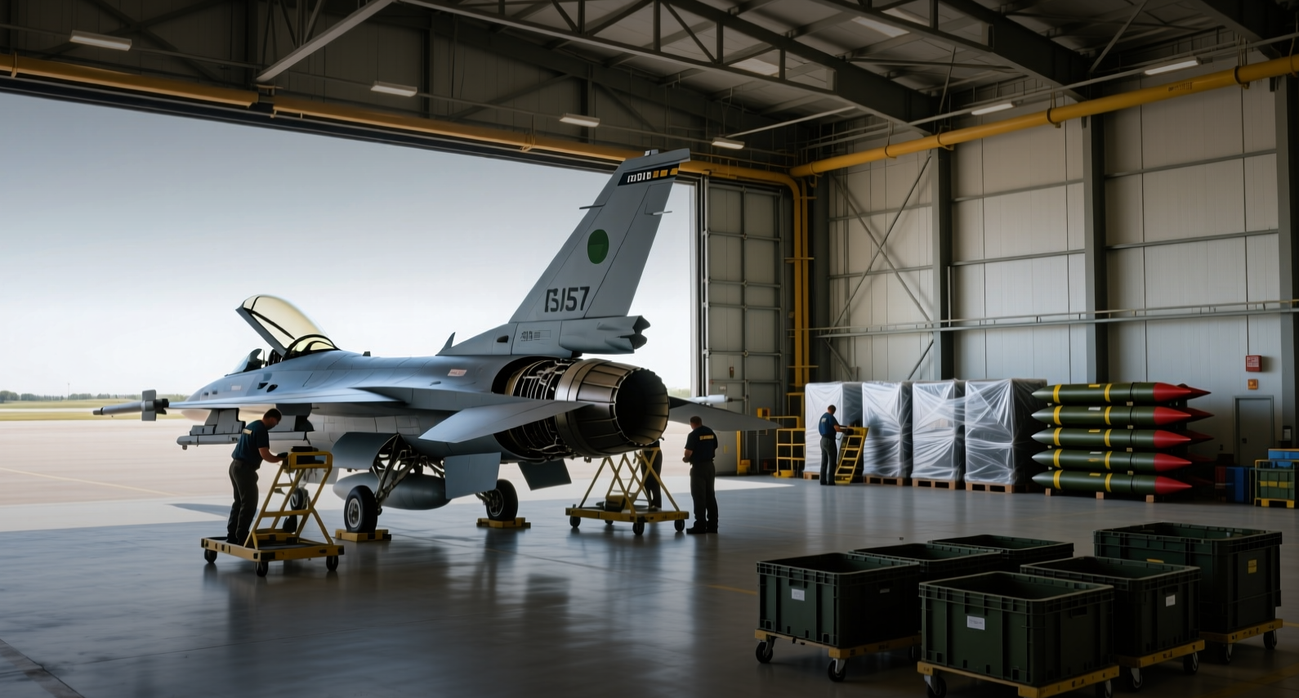
Three mid-sized defense equipment makers — AAR Corp (AIR), Astronics (ATRO), and Ducommun (DCO) — stand out as military spending climbs across NATO and allied nations, backed by strong earnings growth and rising defense budgets.
"By systematically targeting civilians, and by choosing intimidation and escalation, Russia is likely seeking to project strength but is above all revealing an admission of weakness," French President Emmanuel Macron wrote on X, announcing new interceptor missile deliveries to Ukraine.
The UK has allowed defense firm MBDA to share classified details about British components of the SCALP long-range missile for assembly in Ukraine, while France is delivering new interceptor missiles. European leaders have promised more military support for Kyiv following a weekend drone strike on a shopping center in central Ukraine.
Defense stocks could keep climbing as governments boost military budgets. A "Coalition of the Willing" session on Monday marks the 35th anniversary of Ukraine's independence, with Macron co-leading the meeting alongside UK Prime Minister Burnham and German Chancellor Merz.
AAR Corp provides aviation services and parts to commercial and military customers, positioning it to capture demand from defense fleet maintenance and logistics. Astronics designs advanced electronics and lighting systems for aerospace and defense applications, while Ducommun produces engineered components for aircraft and defense platforms. All three companies have demonstrated strong earnings growth as defense budgets expand.
The UK's decision to let MBDA share classified details about SCALP missile components represents a significant step toward giving Ukraine more control over its weapons supply chain. The SCALP is a long-range cruise missile that flies low and fast to hit targets deep behind enemy lines. Allowing Ukraine to assemble British components means a steady supply line that cannot be cut off by border disruptions.
The "Coalition of the Willing" session on Monday brings together leaders from France, the UK, and Germany, with Ukrainian President Zelenskyy joining remotely. The group will look for ways to increase support for Kyiv, cut Russia's ability to fight, and counter the shadow fleet — aging tankers and cargo ships that help Russia dodge oil sanctions.
The Kremlin has dismissed the UK's involvement, with spokesman Dmitry Peskov claiming the country is now directly involved in the war on Ukraine's side — a charge the government has not exactly denied. This escalation raises the stakes of the conflict, and markets tend to react to surprises. But a steady flow of aid to Ukraine reduces the chance of a sudden Russian victory that would send energy prices and markets into chaos.
For investors, the message from European leaders is clear: they are in this for the long haul. Defense stocks could keep climbing as governments boost military budgets, while the broader market gets a calmer Europe. The previous meeting of the Integrated Anti-Ballistic Missile Coalition, held in Paris on July 13, first discussed pooling air defense resources across allied nations.
The war in Ukraine can feel far away, but it has a way of showing up in portfolios. When allies send more weapons, it raises the stakes of the conflict. The opposite is also true — a steady flow of aid reduces the chance of a sudden Russian victory that would send energy prices and markets into chaos. For everyday investors, the defense sector's sustained momentum reflects a structural shift in global military spending that extends well beyond the current conflict.
This article is for informational purposes only and does not constitute investment advice.
