
Beijing's rare earth export squeeze is tightening US critical-mineral supply, with suppliers refusing shipments and buyers waiting months for licences before Xi's Sept. 24 visit.
Beijing's rare earth export squeeze is tightening US critical-mineral supply, with suppliers refusing shipments and buyers waiting months for licences before Xi's Sept. 24 visit.
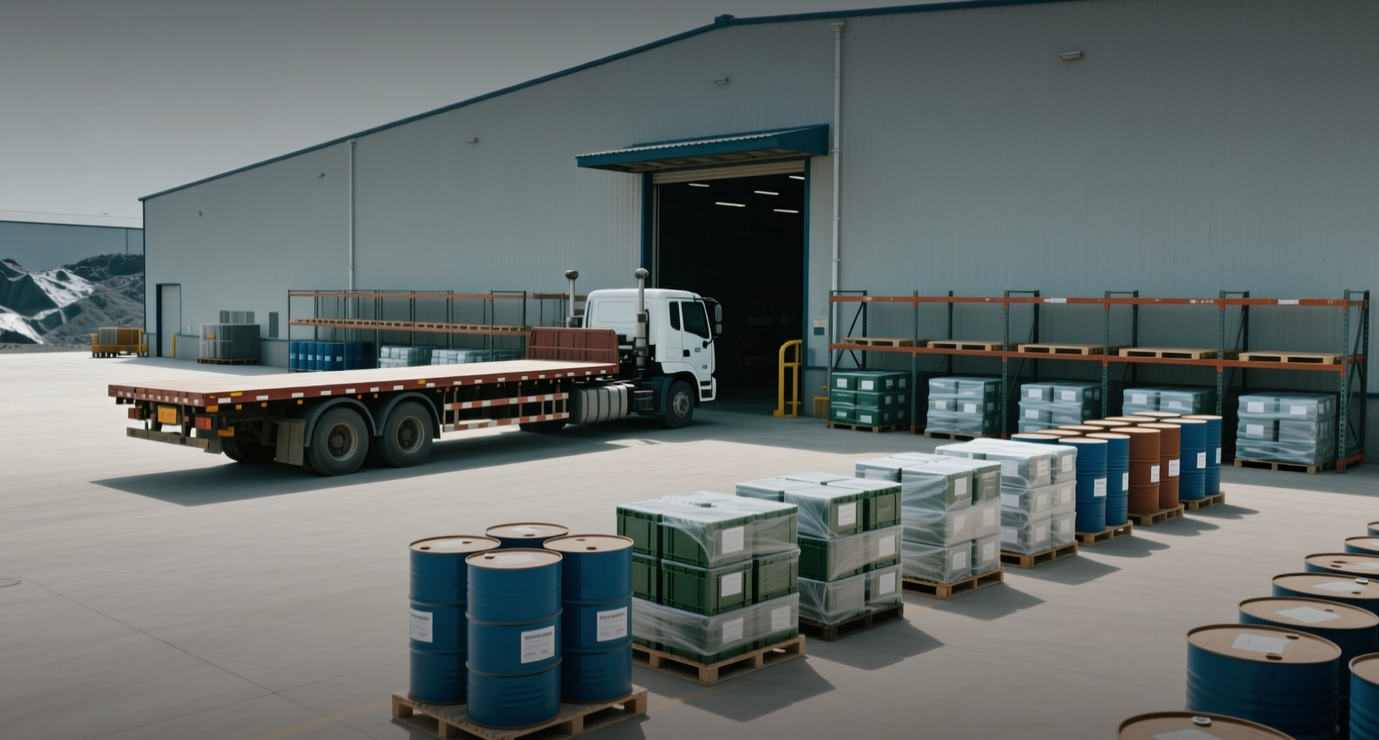
Chinese rare earth suppliers are refusing US shipments for fear of Beijing retaliation, leaving some buyers waiting more than six months for licences ahead of Xi Jinping's Sept. 24 Washington visit.
"China has been very effective in using rare earth export controls to impose restraint on the Commerce Department's Bureau of Industry and Security," Reva Goujon, a geopolitical strategist at Rhodium Group, said.
A handful of Chinese suppliers have declined to ship rare earths to US companies since early August, when Beijing sanctioned the Responsible Business Alliance, a US supply-chain monitor, three people with knowledge of the trade said. The suppliers worry that complying with the due-diligence framework of the Responsible Minerals Initiative, an audit programme linked to the RBA, could draw punishment from Chinese authorities. Other Chinese firms had already stopped US shipments to avoid entanglement in geopolitics, with one source citing four cases where companies refused material for fear it could be resold to restricted buyers.
The squeeze lands on industries from aerospace and semiconductors to medical devices and defence, where prices for yttrium, indium phosphide and tungsten sit near records. US officials keep pressing China to honour commitments made in Busan and Beijing over the past year to keep export licences flowing, and the issue now sits on the planning agenda for the summit.
Supply stays tight as prices hold near records
Exports of many rare earths and related magnets have rebounded since China imposed restrictions in April 2025, yet prices for yttrium, indium phosphide and tungsten remain near record highs with supply tight. These materials feed sensitive industries including aerospace, chipmaking and defence, with delays also hitting medical devices and energy.
US yttrium imports have risen this year but remain about half of 2024 levels despite larger shipments to other countries, Chinese customs data shows. Some US companies have waited more than six months for mineral licences, two of the sources said.
There are signs of easing. China sent 27 tonnes of yttrium to the US in July after two months without shipments, the second-highest monthly volume since January 2025. Several US firms have received multiple licences after long delays, and some expect approvals to rise around the summit.
Restrictions bite harder in Japan
Licence approvals are even more limited for Indian and Japanese buyers. Chinese suppliers are overwhelmingly refraining from shipping to Japanese firms, one source said. China exported no terbium to Japan between January and August, down from 20 tonnes a year earlier, while gallium shipments fell 65 percent and yttrium exports dropped 98 percent, customs data shows. Japan's Trade Minister Ryosei Akazawa has said companies face delays in permits and prolonged customs inspections.
Beijing says its August decision to sanction the RBA and other US auditing firms responded to a series of FCC restrictions since December targeting Chinese electronics testing labs, drones, consumer routers, submarine cables, advanced robotics equipment and power inverters. When US officials raise rare earths in meetings, Chinese counterparts counter that the FCC actions violated the Busan truce, one person briefed on the interaction said.
Goujon expects Beijing to loosen some raw-material controls around the summit to deflate US allegations it is not upholding the Busan agreement. "Supply chain chokepoints will come into focus, but I would expect Beijing to loosen up critical raw material controls a bit around the summit," she said.
The European Chamber of Commerce in China said member companies still face implementation issues. "What our members would like to see is a commitment to implement a transparent and predictable application process that provides reliable access to rare earth elements," it said in a statement.
The stakes are structural. Rare earths underpin US defence, chipmaking and electric-vehicle supply chains, and China dominates global refining of the 17 elements. If supplier self-censorship persists beyond the summit, US manufacturers face sustained cost pressure and licence uncertainty even as Washington presses for a smoother flow. The last time China tightened rare earth export rules in April 2025, prices for critical materials climbed to records and took months to ease — a pattern that could repeat if the September meeting fails to restore confidence.
This article is for informational purposes only and does not constitute investment advice.
