

Hong Kong property developers led the Hang Seng Index lower on Aug. 31 as traders raised September Fed rate hike bets after Warsh's hawkish speech.
Hong Kong property developers led the Hang Seng Index lower on Aug. 31 as traders raised September Fed rate hike bets after Warsh's hawkish speech.
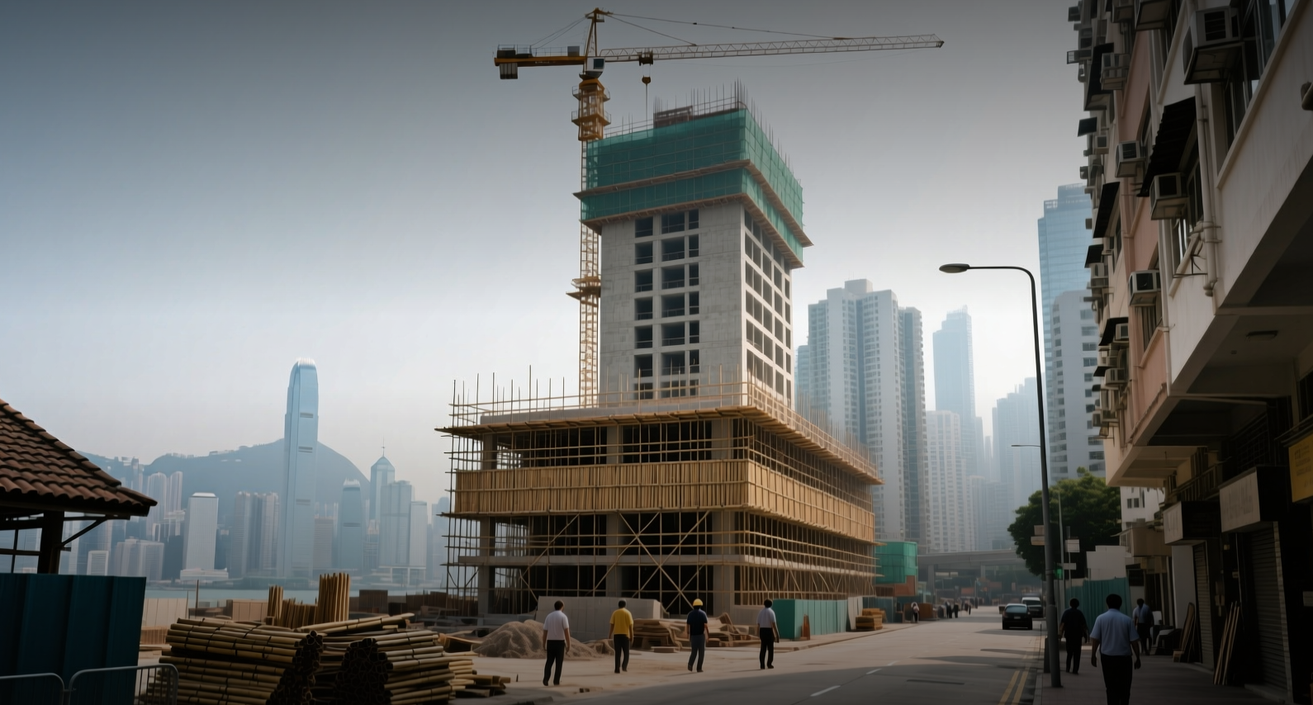
The Hang Seng Index fell 0.7 percent to 25,401 as property developers slumped as much as 7.4 percent on rising Fed rate hike bets.
"Kevin Warsh's Jackson Hole speech has kicked the hornet's nest, putting a September Fed hike firmly back on the table and forcing markets to rapidly reassess the US rates outlook," said Chris Weston, head of research at Pepperstone.
Henderson Land (00012.HK) plunged 6.42 percent to HK$27.12, the steepest decline among Hong Kong property stocks, with turnover of HK$338 million. China Resources Land (01109.HK) tumbled 7.41 percent to HK$30.72, making it the worst-performing blue chip. China Overseas Land (00688.HK) fell 6.01 percent to HK$12.99, New World Development (00017.HK) dropped 5.29 percent to HK$6.625, and Longfor Group (00960.HK) slid 6.77 percent to HK$6.33.
The selloff came after CME FedWatch data showed a 58 percent probability of a September rate increase, up sharply following Warsh's comments that inflation at 3.7 percent on the Fed's preferred PCE gauge remains well above the 2 percent target. A hike would raise borrowing costs for rate-sensitive property developers and landlords, potentially pressuring dividend yields and refinancing costs across the sector.
The hawkish repricing extended beyond Hong Kong equities. Bitcoin fell 3 percent to under $77,000, marking its first notable pullback after a rally from roughly $63,000 to over $80,000 earlier this month. Gold also declined, while the Dollar Index and two-year US Treasury yields rose as bond traders priced in a more than 50 percent chance of a September increase. The Australian S&P/ASX 200 Index fell 0.2 percent to 9,082.40, with gold miners leading losses.
Jim Bianco, founder of Bianco Research, said the next Fed meeting is "a lean hike not a done deal," noting that the 58 percent probability sits below the 60-70 percent threshold at which the Fed tends to validate market expectations. Robin Brooks, senior fellow at the Brookings Institution, argued a September hike would be "performative," aimed at anchoring the 10-year Treasury yield rather than delivering outright policy tightening.
The rate hike repricing compounds existing pressure on Hong Kong property stocks. Mainland China announced an extension of mortgage loan terms last Friday, yet major Chinese developers still came under pressure alongside the broader market. China Resources Mixc Lifestyle (01209.HK) fell 4.6 percent to HK$38.56, while Sun Hung Kai Properties (00016.HK) declined 4.43 percent to HK$116.5. Landlord stocks also declined, with Hysan Development (00014.HK) down 4 percent, Hang Lung Properties (00101.HK) falling 3.2 percent, and Wharf REIC (01997.HK) losing 2.22 percent to HK$30.8. Community retail-focused Link REIT (00823.HK) and Fortune REIT (00778.HK) posted smaller declines of 1.2-1.5 percent each.
For investors, the key question is whether the sector's dividend yields and refinancing costs can absorb a potential rate increase. A 25-basis-point hike would push the Fed funds rate to 3.75-4 percent, raising the cost of capital for developers with significant debt loads. The next Fed meeting is scheduled for September, with the rate decision expected to set the tone for Hong Kong property stocks into the fourth quarter.
This article is for informational purposes only and does not constitute investment advice.
