Taiwan prosecutors indicted nine people, including employees of Nvidia and Super Micro, for allegedly shipping 74 AI servers to China in violation of US export controls.
Taiwan prosecutors indicted nine people, including employees of Nvidia and Super Micro, for allegedly exporting 74 high-end AI servers to China through a scheme that falsified end-user documents. The indictments, announced Monday by prosecutors in the northern port city of Keelung, mark one of the most significant enforcement actions tied to US export controls on advanced AI hardware since Washington imposed restrictions in 2022.
The defendants were "fully aware" that both Nvidia and Super Micro maintain "rigorous internal control procedures" regarding exports, prosecutors said in a statement. They "colluded with one another at various levels for enormous profit, illegally exporting high-end servers, increasing corporate compliance costs, and severely damaging our nation's international image."
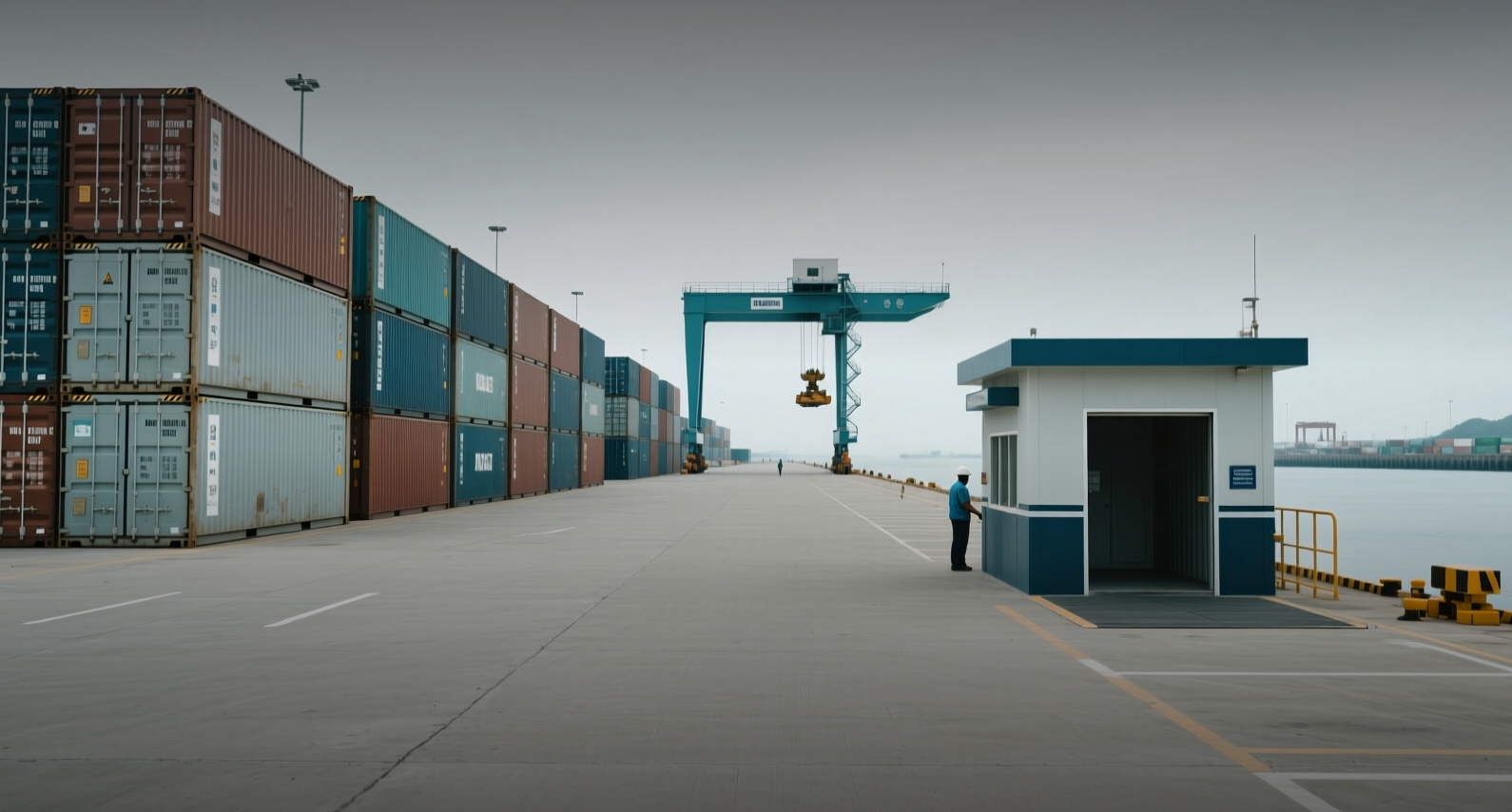
The alleged scheme centered on 130 B300 servers ordered from Super Micro under claims they would be installed and used at a rented server facility in Taiwan. Prosecutors said false end-user documents stated the servers would remain in Taiwan. Of those 130 units, 74 were ultimately exported and delivered to Chinese customers through routes that included direct shipments to China as well as transshipments through Indonesia, Japan, and Hong Kong. The remaining 56 servers were intended for export to a company in Japan, but Taiwan customs officials detected irregularities and stopped their export.
Eight people, including one employee of Nvidia's Taiwan unit and two employees of Super Micro's Taiwan unit, were charged with breach of trust and document forgery. A ninth defendant was charged in a related case involving the alleged siphoning of funds from a distributor company. Neither Nvidia nor Super Micro immediately responded to requests for comment.
Export Controls Tighten Around AI Hardware
The B300 is part of Nvidia's Blackwell architecture, the current generation of data center GPUs that power large-scale AI training and inference workloads. Washington has restricted the export of such advanced chips to China since 2022, seeking to limit Beijing's access to computing capabilities with potential military and strategic applications. The restrictions have created a complex compliance environment for semiconductor companies and their supply chain partners, with enforcement now extending beyond chip sales to the servers that house them.
Taiwan, the world's largest producer of advanced chips used in AI applications, has tightened its own export controls in recent years to keep advanced technology and know-how from reaching China. Beijing claims the democratically governed island as its own territory despite strong objections from the island's government.
The indictments come as governments and technology companies face growing pressure to police the movement of advanced AI hardware through complex international supply chains. For Nvidia and Super Micro, the case raises compliance costs and legal exposure at a time when both companies are navigating the most restrictive technology export regime in decades.
Investor Implications
The enforcement action adds regulatory risk to Nvidia and Super Micro's operations in Taiwan, a critical node in the global AI hardware supply chain. Compliance failures could result in fines, export license revocations, or reputational damage that affects customer relationships. For the broader AI hardware sector, the case signals that export control enforcement is intensifying, potentially raising the cost of doing business for companies that move advanced servers across borders. Nvidia shares and Super Micro stock face potential pressure as investors weigh the legal and compliance implications of the indictments against the companies' strong demand outlook for AI infrastructure.
This article is for informational purposes only and does not constitute investment advice.