
The collapse of US-Canada trade talks triggered 50 percent tariffs on $20 billion of Canadian goods and a pledge of dollar-for-dollar retaliation, threatening a lasting rupture between the two allies.
The collapse of US-Canada trade talks triggered 50 percent tariffs on $20 billion of Canadian goods and a pledge of dollar-for-dollar retaliation, threatening a lasting rupture between the two allies.
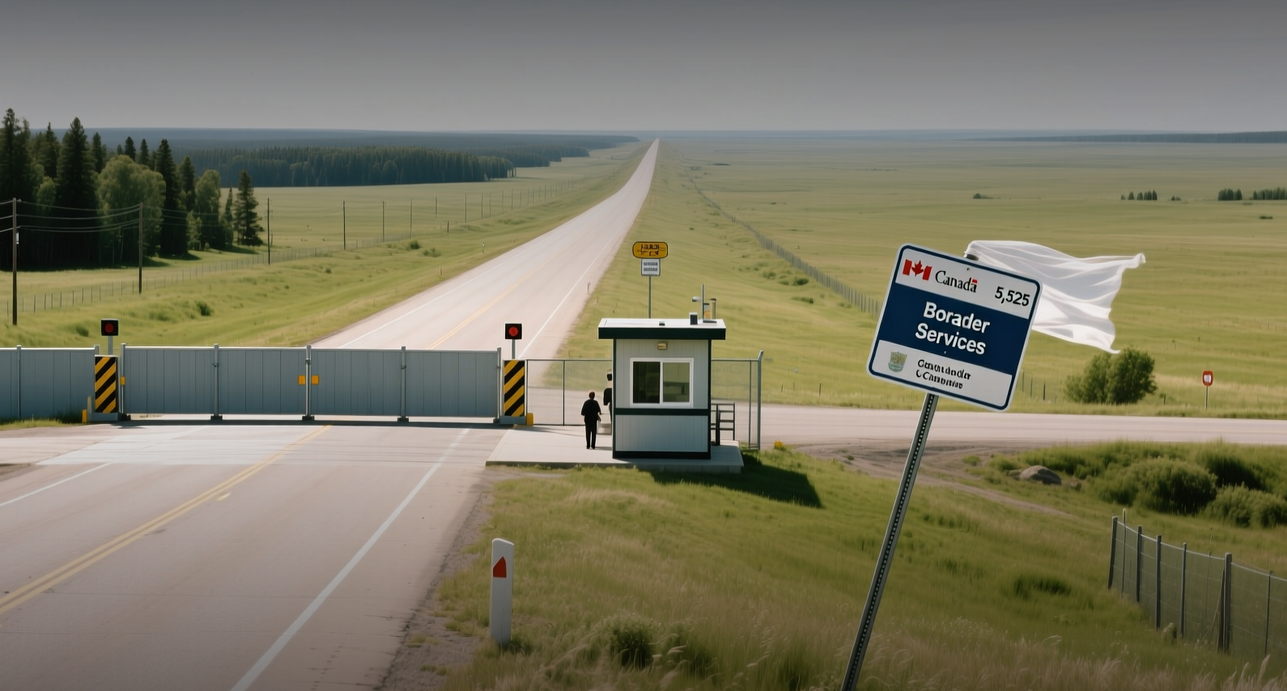
The United States imposed 50 percent tariffs on $20 billion of Canadian goods early Saturday after trade talks collapsed, and Prime Minister Mark Carney pledged dollar-for-dollar retaliation, deepening a rupture between the historic allies.
"Canada will match those tariffs dollar for dollar to protect our workers and businesses," Carney said in a statement.
The duties hit about 5 percent of Canada's annual exports to the US, covering products from hockey sticks to cement, and come as tariff-driven inflation, rising Treasury yields and the $40 trillion US debt load complicate the administration's economic message ahead of November's midterm elections.
The breakdown calls into question the future of the US-Mexico-Canada Agreement, with Washington and Ottawa yet to begin formal renewal talks, and leaves businesses on both sides of the border facing another round of costs.
The tariffs were imposed under Section 338 of the Tariff Act of 1930, a Depression-era provision never before used to levy import taxes. The law, known as the Smoot-Hawley tariffs after its congressional sponsors, is notorious among economists for deepening the Great Depression. Section 338 authorizes the president to impose duties of up to 50 percent on imports from countries that have discriminated against US businesses, with no investigation required and no limit on duration.
US Trade Representative Jamieson Greer blamed Canada for the breakdown, saying Ottawa declined to finalize a deal under terms agreed earlier in the week. "Despite the U.S. offer to Canada to receive the best treatment of any major exporter to our market, new demands and walk-backs of other commitments by Canada have upended the careful balance reached in the past days," Greer said in a statement read to reporters shortly before midnight.
Carney blamed Washington, saying "last-minute changes in the U.S. proposed terms were unfair, uneconomic, and called into question the reliability of any deal." He suspended negotiations and directed Canada's negotiating team to return to Ottawa.
The political fallout may exceed the economic. The countries traded $880 billion in goods and services last year, and nearly 72 percent of Canada's goods exports went to the US. The 5,525-mile border is undefended, with 330,000 people and $2 billion in goods crossing daily. Trump's repeated talk of making Canada the 51st state has inflamed public opinion; a petition to expel US Ambassador Pete Hoekstra has gathered nearly 248,000 signatures since July 21.
"Canada likely wanted further sector-specific relief than the U.S. was willing to offer, or Canada's concessions did not go far enough," said Ryan Majerus, a partner at King & Spalding and a former US trade official. "Either way, I think both sides will be under immense pressure in the coming days to still find an off-ramp."
The escalation follows the Supreme Court's February ruling that struck down Trump's earlier across-the-board tariffs, forcing the administration to find new legal authority. Trump invoked Section 338 to hit Canada, reaching back to the 1930 law that economists blame for worsening the Great Depression.
The rift complicates renewal of the US-Mexico-Canada Agreement. Washington has begun formal talks with Mexico but not Canada, and the escalating conflict casts doubt on whether they will begin. "Canada told the Americans in advance that if these tariffs landed, it would stop negotiating and retaliate," said Barry Appleton, senior fellow at the Center for International Law at New York Law School. "Both sides have now committed themselves in public, which is how escalation stops being a choice."
Candace Laing, president and CEO of the Canadian Chamber of Commerce, called the tariffs "a body blow to North American competitiveness," warning they would raise costs for Americans while threatening Canadian customers, investment and small businesses.
With no further talks planned, the immediate question is whether political and economic pressure can bring the two governments back to the table. Christopher Padilla, a former US official, said businesses on both sides had hoped an agreement would let the countries move past a difficult 18 months. Instead, companies now confront another round of tariffs while the administration weighs the inflation risk of higher import costs ahead of the midterms.
This article is for informational purposes only and does not constitute investment advice.
