
Key Takeaways:
- US struck two IRGC launchers on Larak Island, first attack since July 29
- Brent crude rose 1.9 percent to $89.79, US crude up 1.8 percent to $84.94
- Iran retaliated with missiles at US warships; Jordan intercepted eight missiles
Key Takeaways:
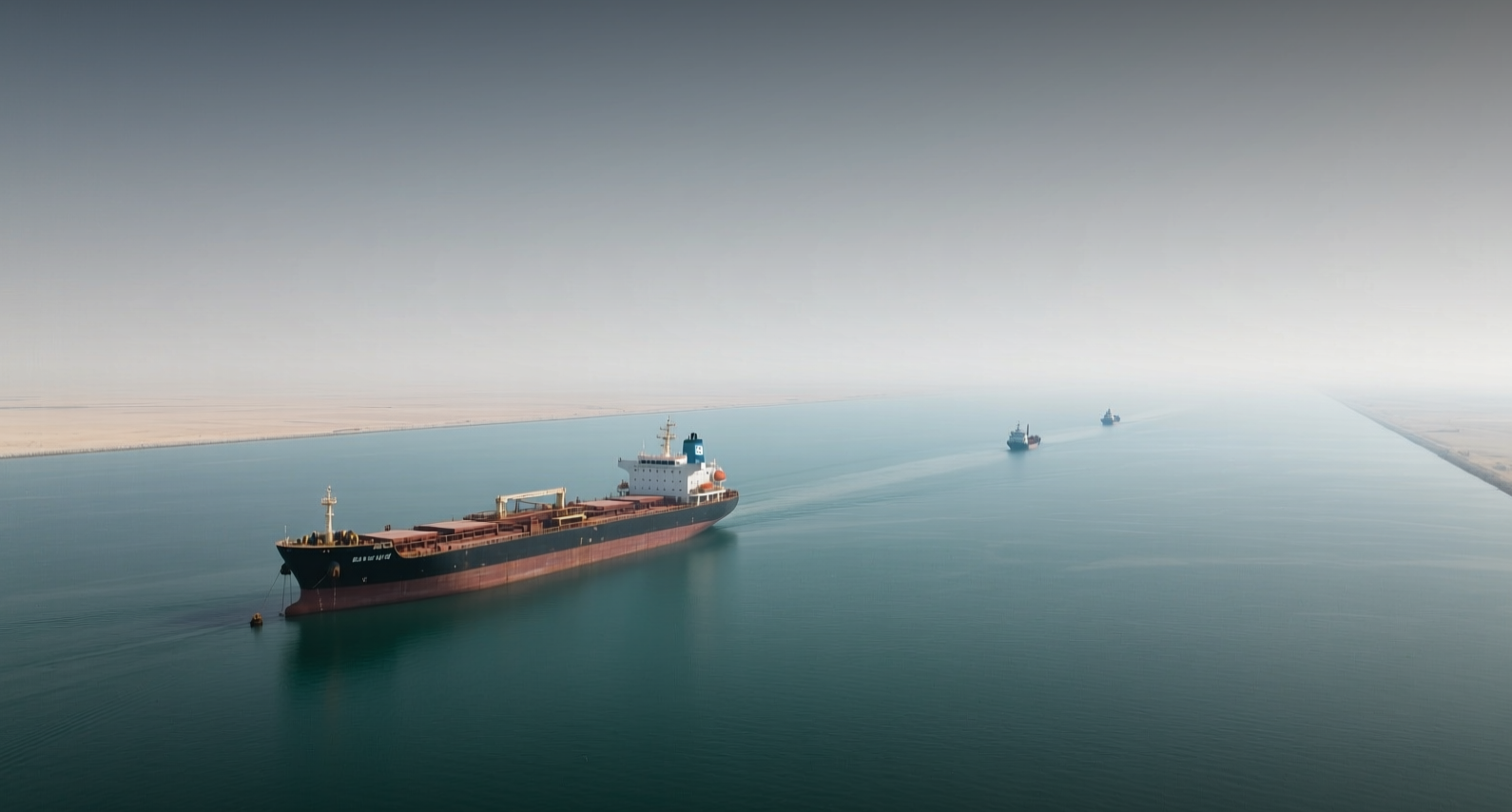
US forces struck two Iranian Revolutionary Guard rocket launchers on Larak Island on Sunday, ending a month-long pause in direct strikes and pushing Brent crude above $90 a barrel as Tehran fired on American warships in the Strait of Hormuz.
US forces struck two Iranian Revolutionary Guard launchers on Larak Island on Sunday, ending a month-long pause in direct strikes and pushing Brent above $90 as Tehran fired on American naval vessels in the Strait of Hormuz.
Revolutionary Guard spokesperson Gen. Hossein Mohebi called Sunday's attack a "fatal mistake" and warned that Washington would face military and economic consequences, state media reported.
Oil prices rose after the strike, with US crude gaining 1.8 percent to $84.94 a barrel and Brent rising 1.9 percent to $89.79. The strait normally carries about 20 percent of the world's oil, but commercial traffic has fallen sharply since the war began, with 24 vessels crossing last week versus roughly 130 per day before the conflict.
The escalation threatens to reimpose a geopolitical risk premium on global energy markets just as the Trump administration shifts toward economic pressure. Washington sanctioned nearly 60 entities this week, while US officials weigh depleted munitions stockpiles after more than six months of conflict.
The strike marked the first confirmed US attack on Iran since July 29, when Washington launched a "heavy wave of strikes" against dozens of Revolutionary Guard targets, including coastal surveillance and defense sites. President Donald Trump said on August 1 he would hold off on further strikes following appeals from Qatar, Saudi Arabia and the UAE.
Centcom said US forces observed IRGC personnel preparing to launch rockets carrying sea mines into the strait when they were targeted. The US military had completed clearing sea mines from international shipping routes the previous week, after Centcom Commander Adm. Brad Cooper said his forces cleared all Iranian sea mines along internationally recognized transit routes.
Iranian state television showed what it said were ballistic missiles fired at US bases in Jordan, with Jordanian forces intercepting eight missiles that entered the country's airspace early Monday. Iran's semi-official Tasnim News Agency reported that US drones struck Larak Island, killing two people and wounding two others, while the Revolutionary Guard acknowledged several fighters and civilians were killed or wounded.
The military action came days after the Trump administration said it would prioritize economic pressure over further strikes to force Tehran to end the war. The Treasury Department's Office of Foreign Assets Control sanctioned nearly 60 entities, individuals and vessels that "enable" the Iranian regime's "recklessness, including illicit nuclear and missile technology procurement, cyber operations, and oil-revenue generation networks," according to a release. Treasury Secretary Scott Bessent said the administration is outlining timelines for action against countries doing business with Iran.
The reliance on sanctions also comes as US officials weigh depleted munitions stockpiles after more than six months of conflict, raising concerns about the impact on American military readiness elsewhere. Trump has increasingly played down the prospect of a quick end to the war, saying last week he was "not in a hurry" to bring Iran back to negotiations.
Despite heavy losses — Tehran estimates the conflict has caused about $270 billion in direct and indirect damage, while Israeli strikes in the opening weeks severely weakened Iran's political leadership — Iran retains significant leverage through the Strait of Hormuz. Tehran has targeted vessels in and around the waterway, where commercial traffic has fallen sharply since the war began.
Iran still possesses enough drones and missiles to threaten vessels passing through the waterway. The US military said it had redirected 83 commercial vessels and disabled three others as part of its blockade of Iranian ports. Separately, the UK Maritime Trade Organization said an unidentified projectile struck a tanker north of Khasab, Oman, on Saturday, with no casualties or environmental damage reported.
The last time the US resumed strikes after a pause, in late July, oil prices spiked more than 2 percent within hours before retreating as Washington signaled restraint. This time, with Brent already above $90 and the administration's sanctions campaign still taking shape, the risk premium may prove stickier. Iran has maintained that the US cannot use the Strait of Hormuz until Washington fulfills its obligations under a memorandum of understanding signed in June, even after Iran and Oman agreed on a management arrangement for the waterway.
This article is for informational purposes only and does not constitute investment advice.
