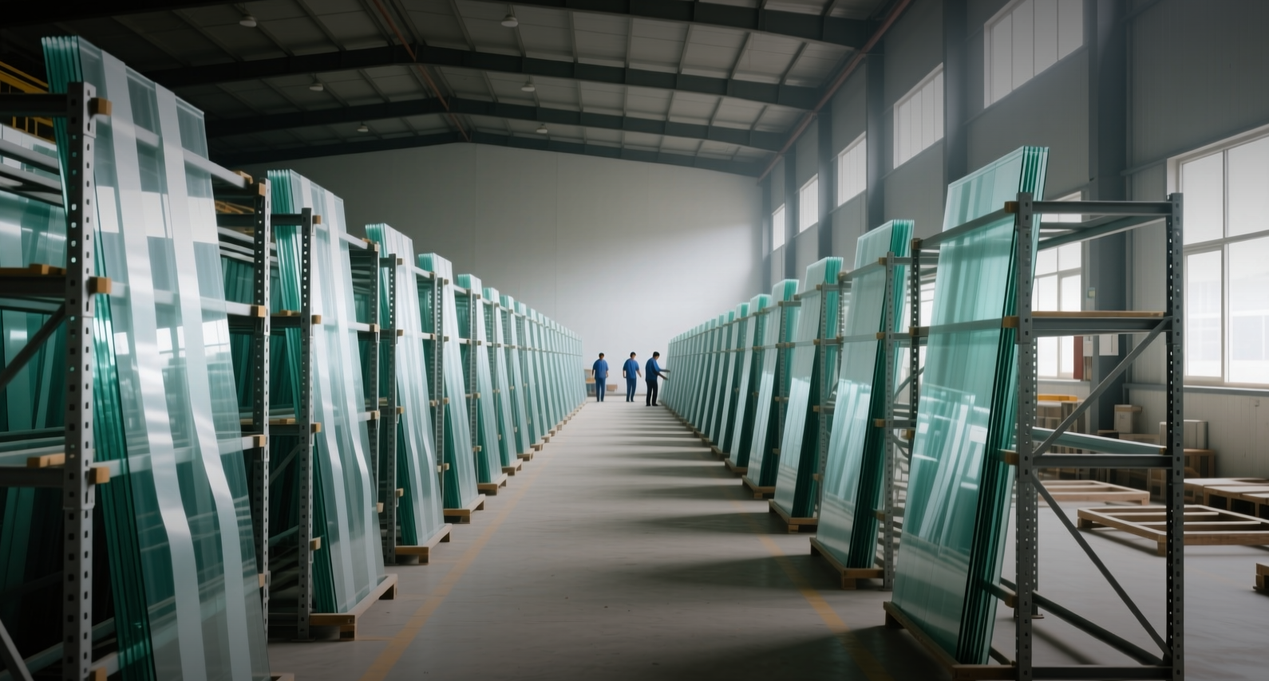
Xinyi Glass Holdings filed to spin off its auto glass unit, distributing 80% of Xinyi Automobile Glass shares to shareholders in a Main Board listing.
"Following the proposed spin-off, investors will gain enhanced transparency into the respective business performances and strategic trajectories of both Xinyi Glass and Xinyi Auto Glass," Dr. Lee Yin Yee, chairman of Xinyi Glass, said.
The spin-off will be implemented via distribution in specie, under which existing shareholders receive 80% of Xinyi Automobile Glass shares for nil consideration on a pro rata basis. Xinyi Glass will sell 14% and Xinyi Automobile Glass will issue 6% in the global offering, sponsored by BNP Paribas Securities (Asia) Limited.
Post-listing, Xinyi Glass will focus on its float and architectural glass businesses, which management argues will unlock value and position the group to benefit from a recovering property market in China. The auto glass unit, with nearly 40 years of operating history, ranked first globally by aftermarket revenue in 2025 and sells products in more than 150 countries and regions.
The listing application (Form A1) was submitted after Xinyi Glass received the Stock Exchange's letter confirming it may proceed with the proposed separation. The auto glass business is one of three segments alongside float and architectural glass, with the float glass arm ranked the largest by production capacity in China and globally in 2025.
Xinyi Glass, listed on the HKEX Main Board since February 2005, operates 15 production complexes across China, Malaysia and Indonesia. The group holds a 23.8% stake in Xinyi Solar Holdings and a 5.73% stake in Xinyi Energy Holdings. As of the end of August 2026, Xinyi Glass accounted for nearly 17% of mainland China's float glass capacity in operation and over 10% of global capacity.
The auto glass unit serves both the replacement glass market, which benefits from recurring demand, and the original equipment manufacturer segment, which ties it to new vehicle model development. The spin-off gives investors a standalone vehicle to value that business, while the parent keeps the float and architectural operations that management says have sustained profitability through an industry downturn.
The company's shares have risen 13.34% year to date, giving it a market capitalization of about HK$39.96 billion. Investors will watch the listing's pricing and first-day trading to gauge institutional demand for the separated unit.
This article is for informational purposes only and does not constitute investment advice.