Report
No Data Yet

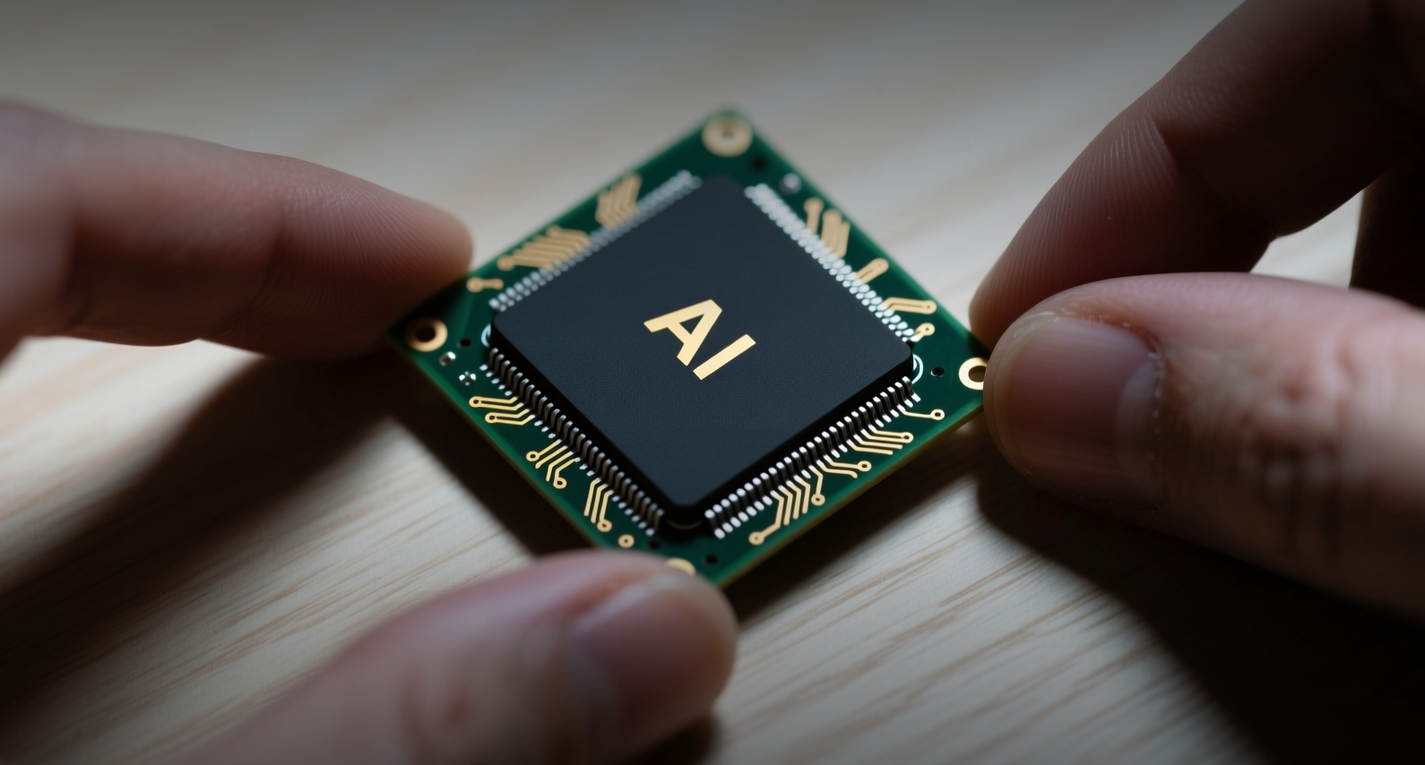
## Executive Summary Amazon Web Services (AWS) has announced its third-generation AI training chip, **Trainium3**, at its annual re:Invent conference. This launch represents a critical strategic initiative to reinforce its leadership in the cloud computing market, where it faces mounting pressure from competitors **Microsoft Azure** and **Google Cloud**. The new proprietary silicon is designed to deliver superior performance and energy efficiency for training Large Language Models (LLMs), directly addressing the primary growth vector in the current cloud services landscape. ## The Event in Detail: Trainium3 Specifications The **Trainium3** chip, slated for availability in 2025, is engineered to provide up to twice the speed of the current **Trainium2** chip while being 40% more energy-efficient. It will be the first of Amazon's chips to be manufactured using **TSMC's** advanced 3nm fabrication process. Alongside the new chip, Amazon announced **UltraServers**, an infrastructure offering that combines 64 of the existing **Trainium2** chips, indicating a dual focus on both future hardware and the immediate scalability of its current technology. ## Market Implications: Defending Market Share The push for proprietary hardware comes as AWS experiences a notable erosion of its once-unassailable market lead. According to data from Synergy Research for the third quarter of 2025, AWS holds 29% of the global cloud infrastructure market. While still the leader, this figure represents a decline from previous periods, with **Microsoft Azure** and **Google Cloud** steadily gaining ground to capture 20% and 13% of the market, respectively. The intense demand for AI computational resources is the main battleground for these cloud titans, and offering cost-effective, high-performance training solutions is paramount to retaining and attracting enterprise clients. ## Business Strategy: Vertical Integration and Competition Amazon's investment in the Trainium chip family mirrors **Google's** long-standing strategy with its proprietary Tensor Processing Units (TPUs). By developing its own silicon, AWS aims to achieve vertical integration, optimizing hardware for its software environment and reducing its dependence on third-party chip suppliers like **Nvidia**. This allows AWS to control costs and performance more effectively, creating a more competitive moat around its AI and machine learning services. This hardware strategy is complemented by strategic partnerships, such as its collaboration with AI company **Anthropic**, to create a comprehensive AI ecosystem on its platform. ## Broader Context: The AI Infrastructure Arms Race The introduction of **Trainium3** is the latest move in a broader "AI arms race" among major technology firms. The ability to train and deploy increasingly complex AI models efficiently and at scale is a defining competitive factor. The success of custom silicon like **Trainium3** and **Google's TPUs** will be instrumental in shaping the cloud market's leadership hierarchy over the coming decade. As enterprises accelerate their adoption of AI, the performance and cost-efficiency of the underlying cloud infrastructure will become a primary driver of their provider choice.

## Executive Summary Hong Kong's technology sector experienced a significant rally, propelling the broader market higher at the start of trading. The Hang Seng Tech Index saw a notable increase, with industry leaders **Alibaba (BABA)** and **Kuaishou Technology (1024.HK)** posting gains of over 3%. The primary catalyst for the upward momentum was identified as **Alibaba**'s strategic decision to increase spending on its artificial intelligence (AI) infrastructure, a move that was met with positive investor sentiment. ## The Event in Detail The Hong Kong market opened with the **Hang Seng Index** up 0.6% and the **Hang Seng Tech Index** gaining 0.76%. The technology sector was the clear outperformer. **Alibaba** and **Kuaishou** shares were at the forefront of the rally, both rising by more than 3% in early trading. Other prominent technology firms also saw gains, including **JD.com (JD)**, **NetEase (NTES)**, and **Meituan (3690.HK)**, indicating broad-based strength across the sector. Reports also highlighted a significant investment in **Alibaba** by **Ark Invest**, marking a vote of confidence from the prominent U.S. asset manager. ## Market Implications The rally signifies a potential shift in investor sentiment towards Chinese technology stocks, which have faced a period of volatility and regulatory headwinds. **Alibaba**'s pivot towards aggressive AI investment is being interpreted by the market as a key strategic move to secure future growth. This has not only boosted its own stock but has also created a positive ripple effect across the **Hang Seng Tech Index**, which represents the 30 largest technology companies listed in Hong Kong. The market's favorable reaction could encourage other companies to accelerate their own AI-related capital expenditures. ## Expert Commentary Market analysts attribute the surge directly to **Alibaba**'s announcement regarding its increased investment in AI. CEO Eddie Wu Yongming’s disclosure underscored the company's commitment to competing in the global AI landscape. This strategic focus, combined with the news of Cathie Wood’s **Ark Invest** acquiring shares after a four-year hiatus, provided a powerful dual catalyst. The buy-in from a high-profile international investor is seen as external validation of the sector's potential, assuaging some concerns about the market's risk profile. ## Broader Context This event occurs within the larger context of a global race for AI dominance. **Alibaba**’s move positions it to better compete with international rivals and solidifies its role as a technology leader in the region. For investors, the rally highlights the potential for significant returns in Chinese tech companies that are strategically aligned with major technological trends. The performance of the **Hang Seng Tech Index** will likely be watched closely as a barometer for innovation and investor confidence in Asia's technology ecosystem.

## Executive Summary **ByteDance** has initiated a significant strategic pivot from software to integrated hardware by announcing the development of an AI-native smartphone, codenamed the "Doubao Phone." In collaboration with **ZTE** as the Original Design Manufacturer (ODM), the company is preparing an initial production run of 500,000 units. This move signals ByteDance's ambition to capture a share of the burgeoning AI-integrated device market and places it in direct competition with other Chinese technology giants who are aggressively expanding their AI ecosystems. ## The Event in Detail ByteDance's Doubao team has developed a technical preview of the Doubao Phone Assistant, which is designed to be deeply embedded into the mobile operating system rather than functioning as a standalone application. The core of this integration is **ByteDance's** proprietary Doubao Real-Time Voice Model, which utilizes an end-to-end Speech2Speech framework. This technology enables advanced emotional acceptance, smooth user interruption, and an ultra-low latency of approximately 700 milliseconds, facilitating real-time interaction capabilities such as on-device search, task completion, and price comparisons. The initial manufacturing order of 500,000 units with **ZTE** underscores the scale of ByteDance's market entry strategy. The device is slated for an internal testing phase before a projected public release in late 2025 or early 2026. ## Market Implications The introduction of the Doubao Phone represents a direct challenge to established smartphone manufacturers by proposing a device where AI is not an auxiliary feature but the core of the user experience. This strategy aims to leverage China's massive and rapidly expanding generative AI user base, which reached 515 million people in the first half of 2025. By controlling both the hardware and the AI software stack, **ByteDance** can create a tightly integrated ecosystem, potentially increasing user retention and creating new monetization opportunities. The 500,000-unit launch is a clear indicator of the company's intent to compete at scale from the outset. ## Expert Commentary Market analysts note that **ByteDance's** move into hardware mirrors the vertical integration strategies seen across the technology sector. The initial production volume is particularly noteworthy. For comparison, **Morgan Stanley** analysis of **Google's** planned sale of TPU chips suggests that selling 500,000 units could contribute an estimated $13 billion to cloud revenue, illustrating the significant financial implications of hardware ventures at this scale. This initiative also occurs within a fiercely competitive domestic market. **Alibaba**, for instance, has committed to a $53 billion investment in artificial intelligence and cloud infrastructure, signaling an "ALL IN AI" strategy. ByteDance's entry into AI hardware is a strategic necessity to maintain competitiveness against rivals like **Alibaba**, **Tencent**, and **Huawei**, all of whom are building comprehensive AI-centric ecosystems. ## Broader Context ByteDance's development of the Doubao Phone is part of a larger trend among China's technology leaders to dominate the next generation of computing. As AI becomes increasingly central to digital life, companies are racing to build walled gardens that encompass hardware, software, and cloud services. By developing its own smartphone, **ByteDance** aims to control the primary touchpoint for user interaction with its AI models and services, ensuring its technology remains at the forefront of the consumer experience. This move diversifies its business and positions it as a formidable competitor in the evolving landscape of personal computing.

## Executive Summary Investor Dan Bin has posited that within China, only **Alibaba** and **ByteDance** have the necessary resources and scale to effectively compete with **Google** in the artificial intelligence arms race. This assertion arrives amidst heightened domestic competition, with **Alibaba** reportedly developing a new AI project to rival **ByteDance**'s existing platforms. More significantly, Bin's analysis suggests that the AI sector is structurally inclined to evolve into a monopolistic business model, raising broader questions about market concentration and the long-term competitive landscape. ## The Event in Detail In a recent speech, Dan Bin, a notable figure in the investment community, offered a stark assessment of the AI industry's structure. He argued that the immense capital and data requirements for developing advanced large language models create formidable barriers to entry. Drawing parallels to the evolution of the internet and mobile internet markets, Bin predicted that AI competition would likely consolidate power among a few dominant players. His analysis pinpoints **Alibaba** and **ByteDance** as the only two Chinese enterprises with the fundamental capacity to challenge a global leader like **Google**. ## Market Implications Dan Bin's comments are particularly relevant as competition within China's tech sector intensifies. Reports have surfaced that **Alibaba** is developing an initiative dubbed “Plan C,” a strategic effort designed to directly challenge the market position of **ByteDance**'s AI chatbot, "Doubao." This move underscores a direct competitive dynamic between the two giants, both of which are also reportedly training their AI models in overseas data centers to access necessary resources. This domestic rivalry, which also includes established players like **Baidu**, is now the focal point for market leadership in China's burgeoning AI sector. ## Expert Commentary Industry analysts have echoed the sentiment that a few key players are poised to dominate the AI landscape. Dan Ives of Wedbush Securities has previously highlighted **Alibaba**'s potential to be a significant beneficiary of the AI trend. Dan Bin's thesis aligns with this view, framing the current competitive environment not as a race among many, but as a strategic battle between a few heavily capitalized titans. The core of his argument is that the AI industry's economics favor a monopolistic outcome, a perspective that is gaining traction as development costs escalate. ## Broader Context The concern over AI monopolies extends globally, with regulators and analysts closely monitoring the market power of Big Tech. The structure of the AI market—where access to vast datasets, cloud infrastructure, and capital is critical—inherently favors established technology giants. This can lead to anti-competitive practices, such as restricting rivals' access to proprietary data or foundational models. Regulators are taking notice; the UK's Digital Markets, Competition and Consumers (DMCC) Act 2024, for example, was enacted partly in response to findings that companies like **Google** and **Meta** achieved market dominance through network effects and data advantages. The debate now centers on whether new market structures or regulatory interventions are needed to prevent a handful of corporations from controlling foundational AI technologies, ensuring that innovation remains open and serves the public interest.

## Executive Summary A Morgan Stanley survey of Chief Information Officers in China signals a pivotal market shift toward integrated AI solutions from hyperscale cloud vendors, with **Alibaba** (BABA) emerging as a primary beneficiary. The report highlights a notable increase in enterprise interest in **Alibaba's Qianwen** AI model and **Alibaba Cloud**. CIO interest in the platform surged from 18% in the first half of 2025 to 30% in the second. The firm projects this figure will climb to 37% within three years, forecasting that **Qianwen** is on track to overtake competitor **DeepSeek** in market share. ## The Event in Detail The survey's core finding is that enterprises are increasingly prioritizing hyperscale cloud providers as their primary platform for AI deployment, moving away from independent AI model developers. This trend aligns with expert observations that "cloud providers have become the one-stop shop for everything an enterprise needs to get started with AI and scale as demand increases." This shift is further evidenced by a broader move toward purchasing third-party applications as the AI app ecosystem matures. In conjunction with this growing market appetite, **Alibaba** has aggressively advanced its technology, recently launching its **Qwen 2.5** AI model. The company claims the model surpasses the performance of **DeepSeek-V3**. Independent benchmarking from Chatbot Arena confirms this, placing **Qwen2.5-Max** in seventh place, ahead of **DeepSeek-V3** in ninth, though trailing another version, **DeepSeek-R1**, which holds third place. ## Market Implications This consolidation trend has significant implications for the competitive landscape. It strongly favors established technology giants like **Alibaba**, which can leverage their vast cloud infrastructure to offer integrated AI services. This is reflected in **Alibaba's** financial performance, with its Cloud Intelligence Group reporting a 34% year-over-year revenue increase in Q3 2025, largely driven by AI-related product demand. Conversely, the market may become increasingly challenging for independent AI model developers that lack an integrated cloud platform, as enterprise clients show a clear preference for comprehensive, scalable solutions. ## Expert Commentary Industry analysis supports the survey's findings, noting a "marked shift towards buying third party applications over the last twelve months." This is particularly true in software development, where off-the-shelf AI applications offer a clear and immediate return on investment. However, this deepening reliance on integrated cloud and AI platforms is not without risk. Experts express growing concerns over security vulnerabilities, the potential for monopolies to stifle innovation, and regulatory compliance. The integration of AI into cloud environments introduces new attack vectors, such as AI-powered ransomware, amplifying data privacy and security challenges for businesses. ## Broader Context The findings place **Alibaba** at the center of a strategic battle for dominance in the AI infrastructure market. The company's approach mirrors a global trend where major technology firms, including **Microsoft**, **Google**, and **Amazon**, are embedding proprietary AI models within their cloud ecosystems. This strategy aims to create a tightly integrated, high-value environment that is difficult for customers to leave. As enterprises move from experimentation to full-scale AI adoption, the battle will be won by the providers who can offer the most powerful, secure, and comprehensive platform, solidifying the market position of hyperscale vendors.

## Xpeng Unveils Advanced Driver-Assist System, Deepens Volkswagen Alliance U.S.-listed shares of **Xpeng Inc.** (**XPEV**) experienced fluctuations following the company's announcement at its 2025 AI Day, detailing plans to make its advanced driver-assist system available to other automotive manufacturers. This strategic pivot, coupled with an expanded technical collaboration with **Volkswagen Group** (**VWAGY**), signals a potential shift in the competitive landscape of autonomous driving technology. ## The Event in Detail **Xpeng** announced the forthcoming rollout of a new driver-assist system designed to navigate narrow roads, scheduled for the first quarter of 2026. The system aims to minimize driver intervention, thereby enhancing the autonomous driving experience. Notably, **Volkswagen** has been confirmed as the inaugural client for this technology. **Xpeng** CEO **Xiaopeng He** asserted that the new system requires less human intervention than **Tesla's** (**TSLA**) Full Self-Driving (FSD) system and demonstrated a quicker completion time on a test route. He stated, "> Next month I will go to the U.S. to compare [Xpeng's latest system] to FSD again." This direct comparison underscores **Xpeng's** confidence in its proprietary technology. The collaboration with **Volkswagen** extends beyond the new driver-assist system. **Volkswagen** will also adopt **Xpeng's** second-generation VLA (Vision-Language-Action) model and **Xpeng's** self-developed Turing AI chips for use in its vehicles. This marks the sixth collaborative effort between the two companies, building on previous partnerships in electrical architecture systems and ultra-fast charging networks. ## Analysis of Market Reaction This expanded partnership with **Volkswagen** represents a powerful validation of **Xpeng's** technological capabilities. For **Xpeng**, the E/E (Electrical/Electronic) architecture collaboration is transitioning from a cost-sharing arrangement to a high-margin licensing opportunity. Analysts project that by 2027, this partnership could generate approximately **$500 million** in annual licensing revenue for **Xpeng**, assuming a 20% adoption rate across **Volkswagen's** Chinese production, which is expected to encompass over 3 million vehicles. For **Volkswagen**, this strategic alliance aligns with its "In China, for China" strategy, prioritizing localized innovation and cost efficiency. By leveraging **Xpeng's** architecture, **Volkswagen** anticipates faster software iteration, improved Over-the-Air (OTA) updates, and shorter vehicle development cycles. The modular E/E architecture is expected to reduce system complexity by 30% and cut development and production costs by 40%, supporting a unified digital infrastructure for a significant portion of China's vehicle market. ## Broader Context & Implications **Xpeng's** recent financial performance reflects the growing impact of its collaborations. The company reported third-quarter revenue of **RMB 10.1 billion ($1.44 billion)** and a record gross margin of **15.3%**, surpassing analyst estimates. Fourth-quarter 2024 revenues were **RMB 16.11 billion ($2.21 billion)**, an increase of 23.4% year-over-year. The company explicitly attributed increases in its services and others revenue to technology partnerships with **Volkswagen**. The competitive landscape in the Chinese EV market remains intense. While **Tesla's** (TSLA) market share in China has seen declines, legacy automakers like **Ford**, **GM**, and **Hyundai** are collectively gaining ground. **Xpeng's** strategy to license its technology could provide a significant advantage by diversifying its revenue streams beyond direct vehicle sales and establishing its intellectual property as an industry standard. Furthermore, **Xpeng** is actively pursuing robotaxi services. The company plans to integrate its driverless vehicles into **Alibaba's** (**BABA**) Amap mapping platform and aims to launch self-developed robotaxis as early as 2026. **Xpeng** intends to utilize its in-house "Turing" chips for these robotaxis, which Vice Chairman **Brian Hongdi Gu** stated possess higher computing power and are more cost-effective than **NVIDIA's** (**NVDA**) chips for autonomous driving technology. ## Looking Ahead The full implementation of **Xpeng's** driver-assist system and E/E architecture in **Volkswagen** vehicles by 2026-2027 will be a critical development to monitor. The success of this licensing model could set a precedent for other EV technology providers. Investors will be keenly watching **Xpeng's** financial reports for sustained growth in licensing revenue and the tangible impact on its overall profitability. The potential launch of **Xpeng's** robotaxi service and the continued evolution of its AI and chip technology will also be key indicators of its long-term market position in the rapidly advancing autonomous driving sector.

## Market Snapshot: Geopolitical Tensions and Corporate Catalysts Drive Divergent Performances U.S. equities experienced a mixed trading session, characterized by significant movements in specific sectors driven by renewed geopolitical concerns, strategic corporate developments, and varied earnings performances. ## The Event in Detail ### Rare Earths and Trade Tensions Reshape Valuations **MP Materials (MP)** shares advanced 13% after former President Trump's comments on China's dominance in rare earth minerals reignited discussions about U.S. industrial policy and critical mineral supply chains. This follows earlier speculation where **MP** saw a 431% gain year-to-date, partly due to a Defense Department deal. In contrast, the "Magnificent Seven" technology stocks collectively experienced declines, with each falling more than 1%. This downturn was largely attributed to President Trump's renewed threats of tariffs against China, sparking fears of a revived trade war. **Tesla (TSLA)** shares notably slumped 7%, leading losses among the group, while **Apple (AAPL)**, **Alphabet (GOOGL)**, and **Microsoft (MSFT)** also saw declines, with **Apple** falling 4.8%. Analyst Dan Ives of Wedbush cut price targets for **Tesla** to $315 from $550 and **Apple** by $75 to $250, describing tariffs as a "complete disaster" for the tech giant, potentially necessitating price increases for U.S. iPhones. Chinese technology stocks also felt the impact of tariff threats, with **Alibaba (BABA)** and **Baidu (BIDU)** shares each falling more than 6%. Other key Chinese stocks traded in the U.S., such as **PDD (PDD)**, **JD.com (JD)**, **NetEase (NTES)**, **Tencent Music Entertainment (TME)**, and **XPeng (XPEV)**, also saw declines. ### Corporate Developments Spur Individual Stock Movements **Rocket Lab (RKLB)** stock rose 5% following the announcement of a direct contract for two dedicated Electron launches with the Japan Aerospace Exploration Agency (**JAXA**). These missions, scheduled for December 2025 and 2026, will deploy various satellites for JAXA's Innovative Satellite Technology Demonstration Program, reinforcing **Rocket Lab**'s position as a key launch provider in the Japanese space industry. **Protagonist Therapeutics (PTGX)** shares rallied 34% amidst reports of advanced acquisition talks with **Johnson & Johnson (JNJ)**. The potential deal, valued at up to $3.3 billion, aims to bolster **J&J**'s autoimmune disease pipeline with assets like icotrokinra and rusfertide. **J&J**, which already holds approximately 4% of **Protagonist**'s shares and exclusive rights to commercialize icotrokinra, views the acquisition as strategic for long-term growth. **Applied Digital (APLD)** shares surged 19% after the company reported an 84% increase in fiscal first-quarter revenue, reaching $64.2 million. The revenue growth was primarily driven by tenant fit-out services for its HPC Hosting Business and performance improvements in its Data Center Business. Despite an increase in net loss, the company's first 100 MW facility at Polaris Forge 1 remains on track for Q4 2025 operation. **Doximity (DOCS)** shares tumbled 7% after JPMorgan downgraded the stock to "Underweight" from "Neutral," citing valuation concerns and uncertainties regarding digital pharma advertising trends. Despite strong business fundamentals, including reaching over 80% of U.S. physicians, the stock's trading at 36x forward EV/EBITDA, significantly above the 23x median for comparable companies, prompted the downgrade. **Mosaic (MOS)** stock dropped more than 9% following the fertilizer producer's report of disappointing preliminary third-quarter volumes, particularly in its phosphate segment. Unexpected mechanical issues and utility interruptions at key facilities led to production shortfalls. **Levi Strauss (LEVI)** shares fell more than 11% after the company issued weaker-than-expected earnings guidance for the fourth quarter. Despite beating revenue expectations for the prior quarter, the company projected a 1% to 2% decline in FY25 revenue and adjusted earnings below analyst estimates, attributing the cautious outlook to "complex macros" including tariffs and potential impacts on consumer demand. ## Analysis of Market Reaction The market's reaction underscored a bifurcated landscape. Geopolitical rhetoric heavily influenced sectors tied to international trade and critical resources, creating both opportunities for domestic producers like **MP Materials** and significant headwinds for global technology players and Chinese-linked companies. The renewed tariff threats highlighted the sensitivity of multinational corporations to trade policy shifts, leading to substantial repricing of major tech firms. Meanwhile, sector-specific catalysts like M&A speculation (e.g., **Protagonist Therapeutics**) and strong revenue growth (e.g., **Applied Digital**) continued to drive idiosyncratic gains, while revised guidance and valuation concerns (e.g., **Doximity**, **Mosaic**, **Levi Strauss**) exerted downward pressure on individual equities. ## Broader Context & Implications The current environment reflects a persistent sensitivity to U.S.-China relations, a theme that has historically injected volatility into global markets. The declines in the "Magnificent Seven" stocks, collectively shedding over $2 trillion in market value since their late 2024 peak, illustrate the significant impact of trade tensions on highly capitalized tech firms. **Apple's** 9.25% fall represented the sharpest decline among the group, indicating the direct and substantial exposure of companies with extensive supply chains in China. Conversely, the rise in **MP Materials** underscores the strategic importance and investment appeal of critical mineral independence amidst escalating geopolitical competition. ## Expert Commentary Dan Ives of Wedbush articulated the gravity of the trade situation, stating that tariffs represent a "**complete disaster**" for tech giants like **Apple**, which may need to "raise U.S. iPhone prices to protect its lofty margins." Sir Peter Beck, CEO of **Rocket Lab**, emphasized the global significance of their launch capabilities, noting the **JAXA** contract as a demonstration of "Electron's global importance – supporting the growth of Japan's space industry with launch on a U.S. rocket from a New Zealand launch site." ## Looking Ahead Investors will closely monitor developments in U.S.-China trade relations, as further tariff announcements or escalations could continue to impact technology and import-reliant sectors. Upcoming economic data releases and corporate earnings reports will also provide further clarity on consumer demand and operational resilience in a challenging macro environment. The biopharmaceutical sector may see continued M&A activity as larger players seek to bolster pipelines, offering potential upside for clinical-stage companies.