


Key Takeaways:
- Greg Abel invested nearly $43 billion in Japanese stocks since taking over Berkshire.
- The five sogo shosha and Tokio Marine anchor the overseas pivot.
- Berkshire was a net seller of stocks in 14 of the past 15 quarters.
Key Takeaways:
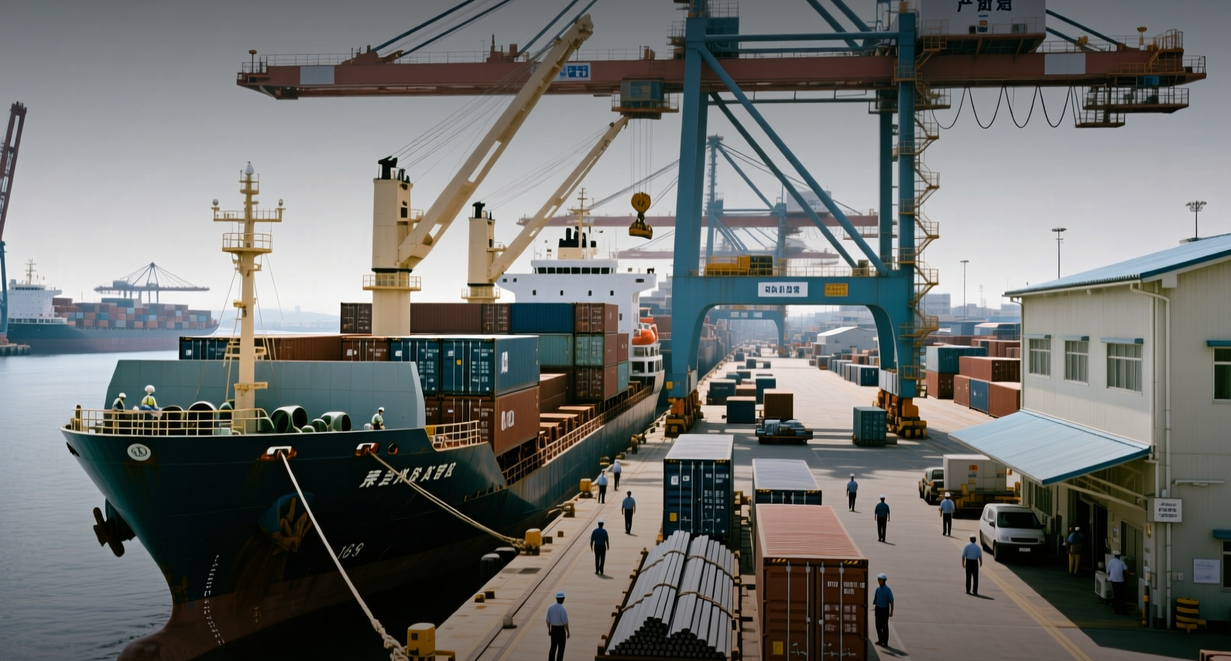
Greg Abel has steered nearly $43 billion into Japanese stocks, reshaping Berkshire Hathaway's portfolio after taking over as CEO on Dec. 31.
The investments span Japan's five sogo shosha — Mitsubishi, Mitsui, Itochu, Sumitomo and Marubeni — plus a roughly 2.5 percent stake in property and casualty insurer Tokio Marine taken in March, according to Berkshire's quarterly filings. The trading houses are conglomerates with holdings across most Japanese industries, from energy and metals to food and retail.
Abel exited 16 positions and trimmed six others in the first quarter while adding to Alphabet, spending another $17 billion on the Google parent in the second quarter. The Japan push began in summer 2019 under Warren Buffett, with Abel expanding the stakes since taking the helm of the more than $350 billion portfolio. Alphabet now accounts for about 12.6 percent of Berkshire's holdings, while Apple remains the largest position at roughly 22 percent.
The pivot comes as the Buffett indicator — stock market capitalization relative to U.S. gross domestic product — hit an all-time high of 239 percent, making Japanese valuations more palatable for the value-focused manager. Berkshire has been a net seller of stocks in 14 of the past 15 quarters, with the sogo shosha among the rare exceptions.
Japanese corporate governance also differs from U.S. practice, with executive compensation more subdued, and the sogo shosha and Tokio Marine all run strong capital-return programs through recurring dividends and share repurchases.
While Wall Street has focused on Abel's Alphabet purchases as a bet on artificial intelligence, the Japan allocation represents the larger transformation. The stakes give Berkshire exposure to six overseas industry leaders at prices below U.S. equivalents, a signal of where the new CEO sees value.
For Berkshire holders, the overseas pivot marks a shift toward attractively priced international assets as U.S. valuations stretch. Investors will watch Berkshire's next 13F filing for further additions to the Japanese positions.
This article is for informational purposes only and does not constitute investment advice.
