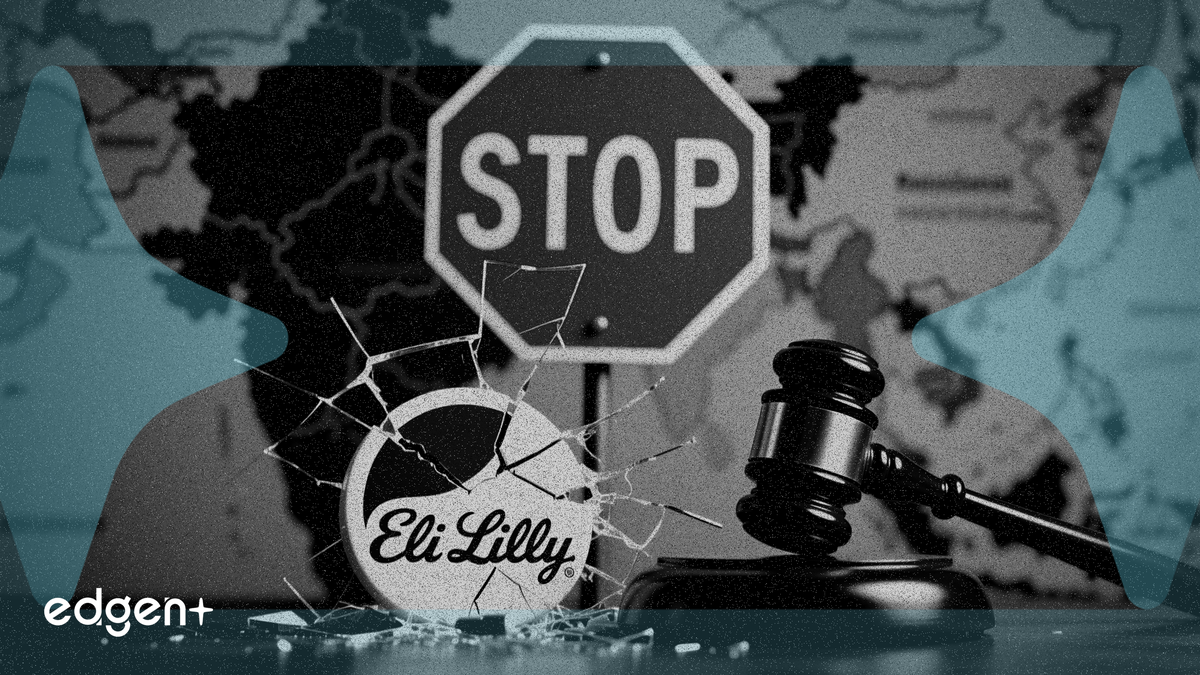
Eli Lilly & Co. đã tạm dừng chiến dịch nâng cao nhận thức về béo phì tại Ấn Độ sau khi cơ quan quản lý dược phẩm của nước này cảnh báo rằng hoạt động tiếp thị của công ty có thể vi phạm các quy tắc chống quảng cáo thuốc kê đơn, theo một bức thư mà Reuters đã xem xét.
"Vì sự thận trọng về mặt quy định," công ty đã dừng chiến dịch sau khuyến cáo từ cơ quan quản lý vào tháng 3, Lilly cho biết trong một bức thư gửi cho Tổng cục Kiểm soát Dược phẩm Ấn Độ vào ngày 10 tháng 4.
Chiến dịch "We Know Now" của hãng dược phẩm Hoa Kỳ bắt đầu vào giữa năm 2025, chỉ vài tháng sau khi hãng ra mắt loại thuốc GLP-1 phổ biến Mounjaro tại Ấn Độ để điều trị bệnh tiểu đường và béo phì. Cơ quan quản lý dược phẩm Ấn Độ cho biết trong một thông báo rằng thời điểm của chiến dịch có thể gián tiếp quảng bá phương pháp điều trị chỉ dành cho thuốc kê đơn tới người tiêu dùng, một hành vi bị cấm. Thị trường béo phì ở Ấn Độ dự kiến sẽ đạt 80 tỷ rupee (839,37 triệu USD) vào năm 2030, theo công ty nghiên cứu Pharmarack.
Quyết định dừng chiến dịch đã dập tắt "một chiến dịch y tế công cộng do bác sĩ dẫn dắt, có cơ sở khoa học, đang tích cực phục vụ lợi ích của bệnh nhân," Lilly cho biết trong thư. Động thái này đưa ra sự không chắc chắn đáng kể cho các nhà sản xuất thuốc tại một quốc gia nơi dữ liệu của chính phủ cho thấy gần 24% phụ nữ và 23% nam giới bị thừa cân hoặc béo phì.
Sự không chắc chắn về quy định
Lilly cho biết trong thư rằng hướng dẫn mà họ nhận được đã tạo ra "sự không chắc chắn đáng kể về mặt quy định" và dường như hạn chế ngay cả các chiến dịch do bác sĩ dẫn dắt, không mang thương hiệu. Công ty lưu ý rằng khuyến cáo của cơ quan quản lý cũng tuyên bố rằng Lilly có thể thực hiện các sáng kiến nâng cao nhận thức cộng đồng, mô tả hai lập trường này là "không thể hòa giải" và yêu cầu làm rõ thêm.
Quảng cáo trực tiếp tới người tiêu dùng đối với thuốc kê đơn bị cấm ở Ấn Độ, không giống như ở Hoa Kỳ. Chiến dịch của Lilly có logo của công ty trên các quảng cáo trên báo, bảng quảng cáo và các bài đăng trên mạng xã hội nhưng không đề cập tên Mounjaro.
Sự giám sát theo quy định ảnh hưởng đến một thị trường tăng trưởng then chốt cho các loại thuốc GLP-1. Mounjaro của Lilly đã trở thành loại thuốc bán chạy nhất Ấn Độ vào tháng 10 năm 2025, vượt qua Wegovy của đối thủ Novo Nordisk, vốn đang phải đối mặt với sự cạnh tranh từ các loại thuốc gốc địa phương rẻ hơn. Hiện chưa rõ liệu Novo Nordisk, đơn vị cũng thực hiện các chiến dịch nâng cao nhận thức về béo phì ở Ấn Độ, có nhận được cảnh báo tương tự hay không.
Việc tạm dừng đưa ra rủi ro đáng kể về cách các công ty dược phẩm phương Tây có thể tiếp cận thị trường béo phì lớn và đang phát triển nhanh chóng của Ấn Độ. Con đường phía trước của Lilly và các đối thủ cạnh tranh sẽ phụ thuộc vào sự rõ ràng do Tổng cục Kiểm soát Dược phẩm Ấn Độ cung cấp về phạm vi của các chiến dịch y tế công cộng được phép.
Bài viết này chỉ nhằm mục đích cung cấp thông tin và không cấu thành lời khuyên đầu tư.